Not every lead is a buyer, AI tells you which
:quality(80))
:quality(80))
A voice agent can be the difference between closing a deal and losing a lead forever, and timing is everything. Think about the last time you filled out a contact form or requested information from a business.
How long did you wait for a response? An hour? A day? Did you even hear back at all? Now think about how many other options you looked at while waiting. Your prospects are doing the exact same thing.
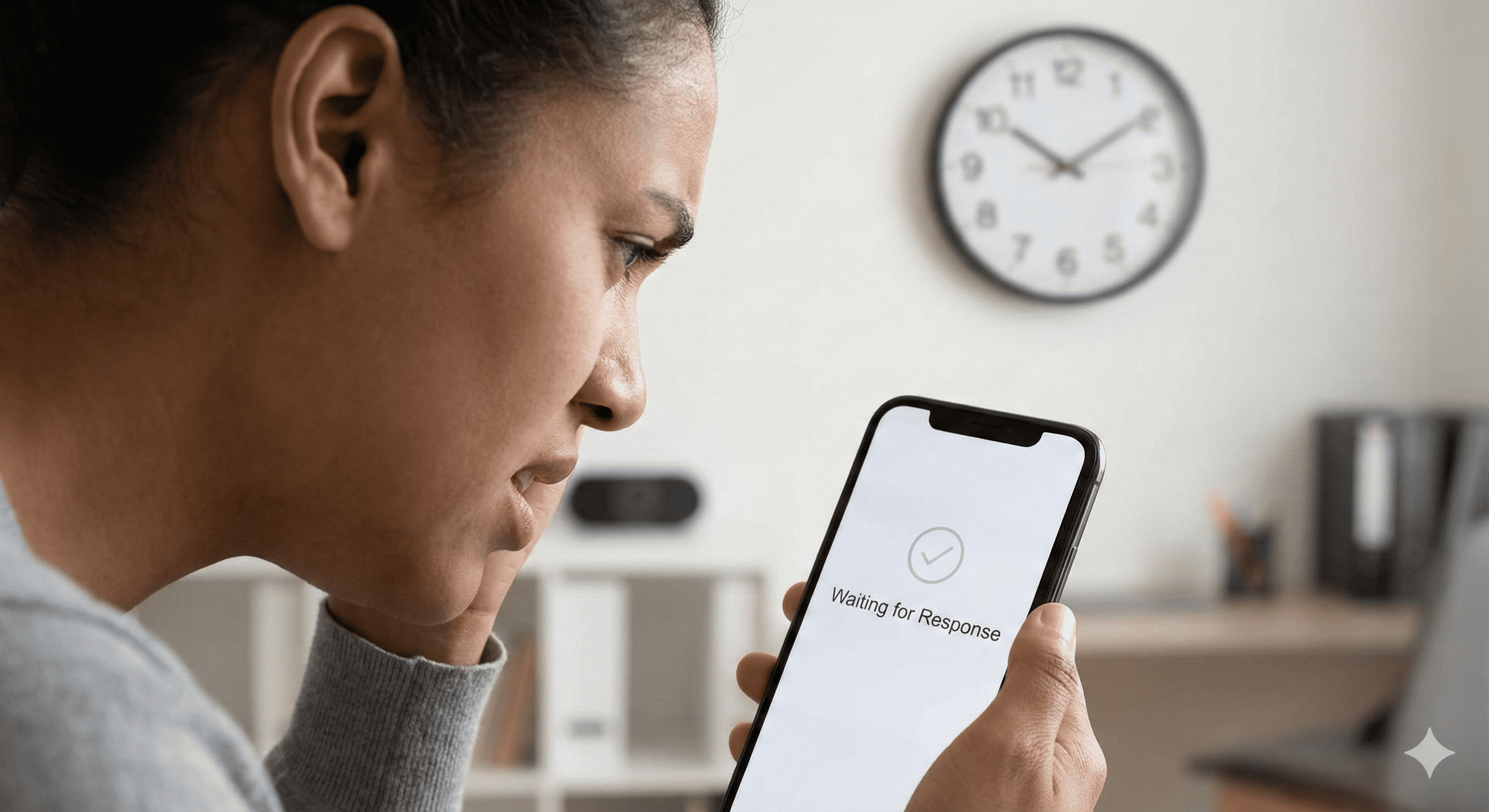
Here's the brutal truth about leads. They have the attention span of a goldfish and the patience of a toddler. When someone raises their hand and says they're interested in what you're selling, you have maybe five minutes, maybe ten if you're lucky, before they move on to your competitor.
Every minute you make them wait, your chances of converting that lead drop dramatically.
Most businesses know speed matters, but they're stuck with systems that can't keep up. Sales reps are busy, in meetings, or handling other calls. By the time someone gets around to following up, that hot lead has gone ice cold. This is where modern technology changes everything, handling responses instantly while your human team focuses on closing.
What is a Voice Agent?
Why Response Time Destroys or Drives Your Sales
Benefits of Using a Voice Agent for Speed-to-Lead
Challenges of Implementing Voice Agent Technology
Best Practices for Using Voice Agent Technology
Measuring Impact on Your Speed-to-Lead
Conclusion
Frequently Asked Questions (FAQs)
What is a Voice Agent?
A voice agent is AI powered technology that can make and receive phone calls, hold conversations, answer questions, and complete tasks without human involvement.
Unlike simple automated phone systems (IVR's) that just press one for sales, press two for support, these agents use natural language processing to understand what people are actually saying and respond intelligently.
Think of it as having a tireless team member who's always available, never needs breaks, and can handle multiple conversations simultaneously. When a lead comes in, the voice agent can call them within seconds, qualify their interest, answer initial questions, and either book an appointment or transfer them directly to a sales rep.
The technology has gotten scarily good. Modern voice call agents sound natural, adapt to different conversation flows, handle interruptions gracefully, and even pick up on emotional cues. They're not trying to fool people into thinking they're human, but they're effective enough that most conversations flow smoothly without the awkwardness of older automated systems.
What makes these agents particularly valuable for speed-to-lead is their instant availability. A form submission at 2 AM gets a response at 2:01 AM. A website visitor who clicks the call button gets connected immediately. There's no delay, no queue, no waiting for business hours. The moment someone expresses interest, they get engagement.
Why Response Time Destroys or Drives Your Sales
Let's talk about what actually happens when you respond quickly versus slowly. The data on this is clear and honestly pretty shocking.
Studies show that if you contact a lead within five minutes of them expressing interest, you're 100 times more likely to connect with them compared to waiting 30 minutes. Not 100% more likely, 100 times more likely. After an hour, your chances drop even further. After 24 hours, you might as well not bother.
This isn't just about catching people while they're available. It's about psychology. When someone takes action, like filling out a form or requesting a call, they're in decision mode. They're hot, they're motivated, they're thinking about solving their problem right now. That mental state doesn't last long. Life happens, distractions pile up, and that urgency fades fast.
Your competitors know this too. When a prospect is shopping around, which they probably are, the business that responds first has a massive advantage. You get to frame the conversation, set expectations, and start building a relationship while your competitors are still checking their email.
But here's the problem most businesses face. Human teams can't respond instantly to every lead, especially if those leads come in outside business hours, during busy periods, or when everyone's tied up. You need coverage 24/7, and hiring enough people to provide that is expensive and inefficient. This is exactly where a voice agent becomes a game changer.
Benefits of Using a Voice Agent for Speed-to-Lead
The advantages go way beyond just being faster, though that alone is worth it. Implementing voice agent technology transforms how your entire lead response system operates.
Instant response eliminates the waiting game completely. A lead comes in, the voice agent reaches out within seconds. No delays, no hoping someone checks their queue soon, no lost opportunities because it's Saturday night.
Companies using solutions like Callers.ai report connecting with 5 to 10 times more leads simply because they're available when prospects are ready to engage.
Qualification happens immediately too. Instead of a lead sitting in your CRM waiting for someone to call and ask basic questions, the voice agent handles that screening right away. It asks about budget, timeline, specific needs, and decision making authority. By the time a human rep gets involved, they already know if it's worth their time.
Consistency in response quality improves dramatically. Every lead gets the same level of attention and professionalism. Your star salesperson might give amazing initial calls, but they can't be everywhere at once.
Your newest hire might still be learning. A voice agent delivers the same quality every single time, following your best practices without deviation.
Cost efficiency is substantial. Think about what it costs to have human staff available around the clock to handle immediate lead response. Multiple shifts, overtime, weekend coverage, it adds up fast. A voice agent handles unlimited calls simultaneously at a fraction of the cost of maintaining that human coverage.
Your human team focuses on actual selling. Instead of racing to respond to every inquiry and burning out from constant context switching, your reps spend time with qualified prospects who are ready to have real sales conversations. This makes everyone more productive and more satisfied with their work.
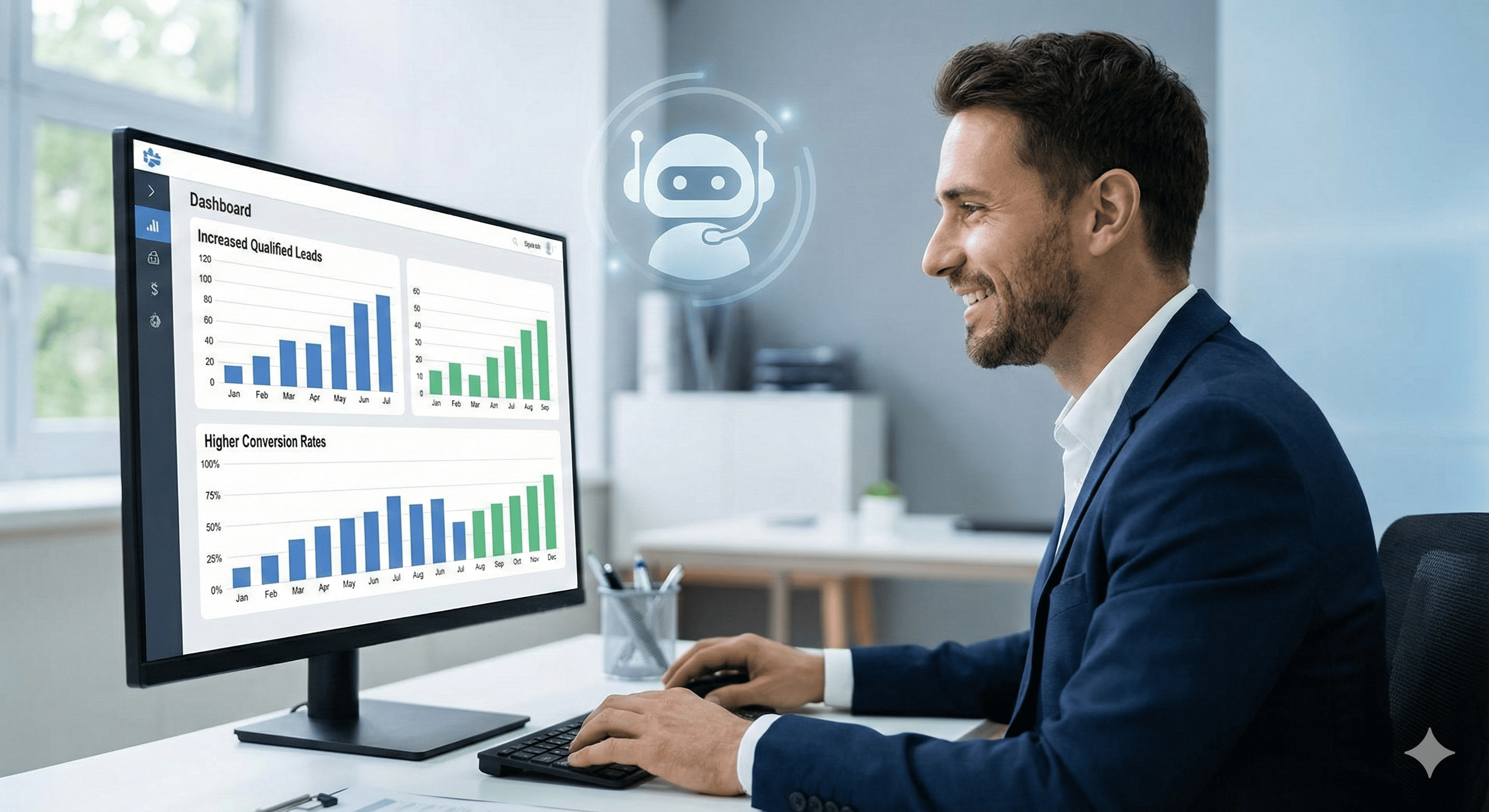
Data and optimization get better automatically. Every interaction with a voice agent gets recorded, analyzed, and used to improve future performance. You can see exactly what questions come up most often, which value propositions resonate, when people are most responsive, and where prospects drop off.
This insight helps you refine your entire sales process.
Challenges of Implementing Voice Agent Technology
Now let's be realistic about what can go wrong, because no solution is perfect.
The technology requires proper setup and training. You can't just flip a switch and have a perfectly functioning voice agent. It needs to learn about your products, understand your ideal customer profile, know how to handle objections, and follow your qualification criteria. Getting this right takes time and expertise.
Voice quality and naturalness matter more than you'd think. While the technology has improved massively, some prospects still prefer talking to humans right away. If your voice agent sounds robotic or struggles with accents or complex questions, it can turn people off. You need high quality systems and ongoing refinement to maintain good experiences.
Integration with existing systems is crucial but tricky. Your voice agent needs to connect with your CRM, scheduling tools, and other sales software seamlessly. If data doesn't flow properly between systems, you end up with gaps, duplicate work, and frustrated team members. Plan for technical challenges during implementation.
Not every lead scenario fits automated response. High value prospects, strategic accounts, or complex sales might require immediate human attention rather than starting with a voice agent. You need to build smart routing logic that sends the right leads to the right response method.
There's a learning curve for your sales team. Reps need to adjust their workflows to handle pre qualified leads from the voice agent instead of doing all the qualification themselves. Sales managers need to learn how to optimize scripts, interpret analytics, and work alongside AI rather than against it.
Compliance and privacy considerations are serious. Phone calls have strict regulations around recording, consent, and data handling. Add AI into the mix and you're navigating additional complexity. You absolutely must ensure your voice agent implementation complies with all relevant laws and industry regulations.
Best Practices for Using Voice Agent Technology
Success with this technology isn't automatic. Here's what actually works based on teams getting real results.
Define clear handoff rules between voice agent and human reps. Specify exactly when the AI should transfer to a person, when it should schedule a callback, and when it should continue the conversation. Smooth transitions prevent prospects from feeling stuck or frustrated.
Start with high volume, time sensitive lead sources. Use voice agent technology for web forms, chat requests, and inbound calls inquiries where speed matters most. These are perfect opportunities to show immediate value while you refine the system for other use cases.
Create multiple conversation paths for different lead types. Someone who downloaded a whitepaper needs a different approach than someone who requested a demo. Your voice agent should adapt its script and qualification questions based on how the lead came in and what they already know.
Test response scripts constantly and iterate based on data. What works in theory often needs adjustment in practice. Monitor call recordings, track where prospects disengage, and experiment with different approaches. Small changes in phrasing or question order can dramatically impact results.
Keep humans accessible for escalation. Make it easy for prospects to reach a person if they want one. Fighting to talk to AI when you want a human is infuriating. One simple command should connect them to your team or schedule an immediate callback.
Train your voice agent on actual customer language. Use recordings from real sales calls to teach the system how your prospects talk, what questions they ask, and what objections they raise. Generic training produces generic results. Specific training tailored to your market produces much better conversations.
Monitor and maintain quality relentlessly. Listen to calls regularly, track customer satisfaction, watch for technical issues, and stay on top of any problems. Voice agent technology needs ongoing attention, not just setup and forget.
Set appropriate expectations with prospects. Being transparent that they're speaking with AI can actually work in your favor. Many people appreciate the immediate response and efficiency. Trying to hide it often backfires when they figure it out anyway.
Measuring Impact on Your Speed-to-Lead
Track the metrics that actually show business impact. Average response time is obvious, but also monitor connection rate, qualification rate, meeting scheduled, and conversion from first contact to closed deal. Compare these numbers before and after implementing voice agent technology.
Calculate the opportunity cost of your old system. How many leads went cold because no one could respond fast enough? How many Saturday inquiries sat until Monday? How many international leads came in during your off hours? Quantifying what you were losing helps justify the investment.
Pay attention to lead satisfaction and experience. Fast response time means nothing if the interaction frustrates people. Survey prospects, monitor complaints, and track how many calls end positively versus negatively. Speed plus quality equals results.
Conclusion
The five minute window is real, and most businesses are missing it completely. While you're hoping someone on your team notices a new lead and gets around to calling them, your competitors with instant response systems are already having conversations and building relationships. That's not a level playing field.
Voice agent technology solves the speed-to-lead problem in a way human teams simply cannot match. Instant availability, consistent quality, 24/7 coverage, and simultaneous handling of multiple leads creates advantages that compound over time.
The businesses implementing this now are capturing opportunities their slower competitors don't even know they're losing.
Yes, there's setup work involved. Yes, you need to integrate systems, train the technology, and adjust workflows. Yes, you'll face challenges around voice quality, compliance, and team adaptation.
But the alternative is continuing to lose leads to the wait, watching prospects cool off while your team scrambles to keep up.
The question isn't whether speed-to-lead matters anymore, the data proves it does overwhelmingly. The question is whether you're willing to give your business the tools to actually compete on speed.
Your leads won't wait around hoping you eventually call them back. They're moving forward right now, with or without you. A voice agent ensures you're part of that conversation from the very first moment.
Frequently Asked Questions (FAQs)
1. How quickly can a voice agent actually respond to a new lead?
Most voice agent systems can initiate contact within 30 seconds to 2 minutes of a lead coming in, depending on your setup and integration. Some advanced implementations respond within 10 seconds.
This is compared to human teams that typically take 30 minutes to several hours, or even days for leads that come in after hours. The speed advantage is dramatic and directly impacts conversion rates.
2. Do people get annoyed talking to a voice agent instead of a real person?
It depends entirely on execution and context. If the voice agent provides value quickly, answers their questions competently, and makes it easy to reach a human when needed, most people are fine with it.
They often prefer immediate AI engagement over waiting hours for a human callback. Problems arise when the AI is low quality, can't handle basic questions, or traps people without an escape to human help.
3. Can voice agents handle complex questions or do they just read scripts?
Modern voice agents are far more sophisticated than simple script readers. They use natural language processing to understand intent, adapt responses based on what prospects say, and handle dynamic conversations.
That said, they have limits. For highly technical questions or complex objections, good systems recognize when they're out of their depth and smoothly transfer to human experts.
4. What happens to leads that come in at 3 AM or on weekends?
This is exactly where voice agents shine. They respond immediately regardless of when the lead comes in. Your human team can review the interaction, see the qualification details, and follow up during business hours if needed.
But the initial contact happens instantly, dramatically increasing the chances of conversion compared to leads that sit untouched until Monday morning.
5. How much does it cost compared to hiring more sales development reps?
Voice agent technology typically costs a fraction of human headcount. While a full time sales development rep costs $50,000 to $80,000 annually plus benefits and overhead, voice agent platforms often run $500 to $3,000 monthly depending on volume and features.
Plus, the voice agent works 24/7 without sick days, vacations, or turnover. Most businesses see positive ROI within the first few months of implementation.