
11 Best Bland AI Alternatives for 2026 (Key Features, Pricing, Pros & Cons)
:quality(80))
:quality(80))
Quick Summary
Callers is the leading Bland AI alternative for high-volume B2C teams that want no-code AI voice and messaging automation. Other strong options include Retell AI, Vapi, Synthflow, PolyAI, Cognigy, Sierra, Decagon, Voiceflow, CloudTalk, and Nextiva.
The top 3 are:
# | Platform | Best For | Pricing |
1 | Callers | No-code, omnichannel AI for high-volume B2C teams | Custom (demo) |
2 | Retell AI | Developer-built AI voice agents | From $0.07/min |
3 | Vapi | Custom AI voice stacks | $0.05/min + models |
Looking for the Best Bland AI Alternatives?
Bland AI has become a popular choice for building AI phone agents, but it's not the right fit for every business. Some teams outgrow their developer-first approach, while others need faster deployment, broader channel support, or maybe more predictable pricing.
In this Callers article, we compare the best Bland AI alternatives, breaking down their key features, pricing, strengths, and trade-offs to help you find the right platform.
But first…
Why Listen to Us?
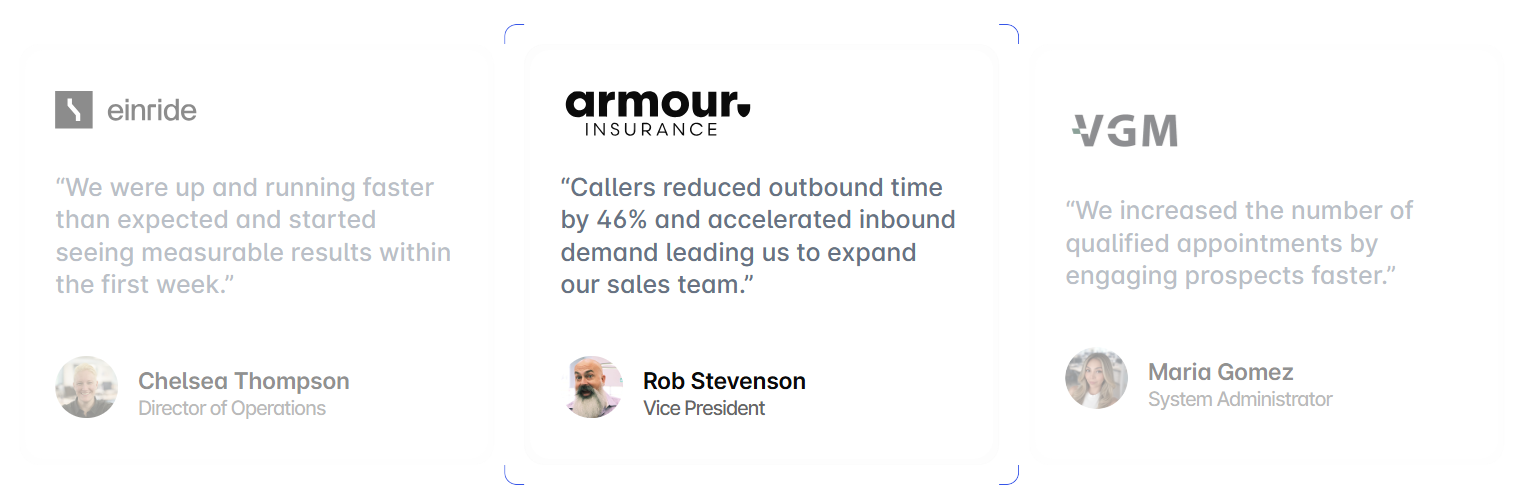
At Callers, we build AI voice and messaging solutions for high-volume B2C businesses, giving us firsthand insight into what makes conversational AI succeed in production. Trusted by brands like DoorDash, Einride, PadSplit, and VGM, we've helped teams scale customer conversations without scaling headcount. That experience gives us a practical perspective on evaluating the best Bland AI alternatives for different business needs.
What Is Bland AI?
Bland AI is a voice AI platform for building and running automated phone agents. It bundles the speech recognition, language model, and text-to-speech into one per-minute rate. The platform can also run on your own infrastructure, which is one reason it appeals to regulated industries like healthcare, insurance, and finance.
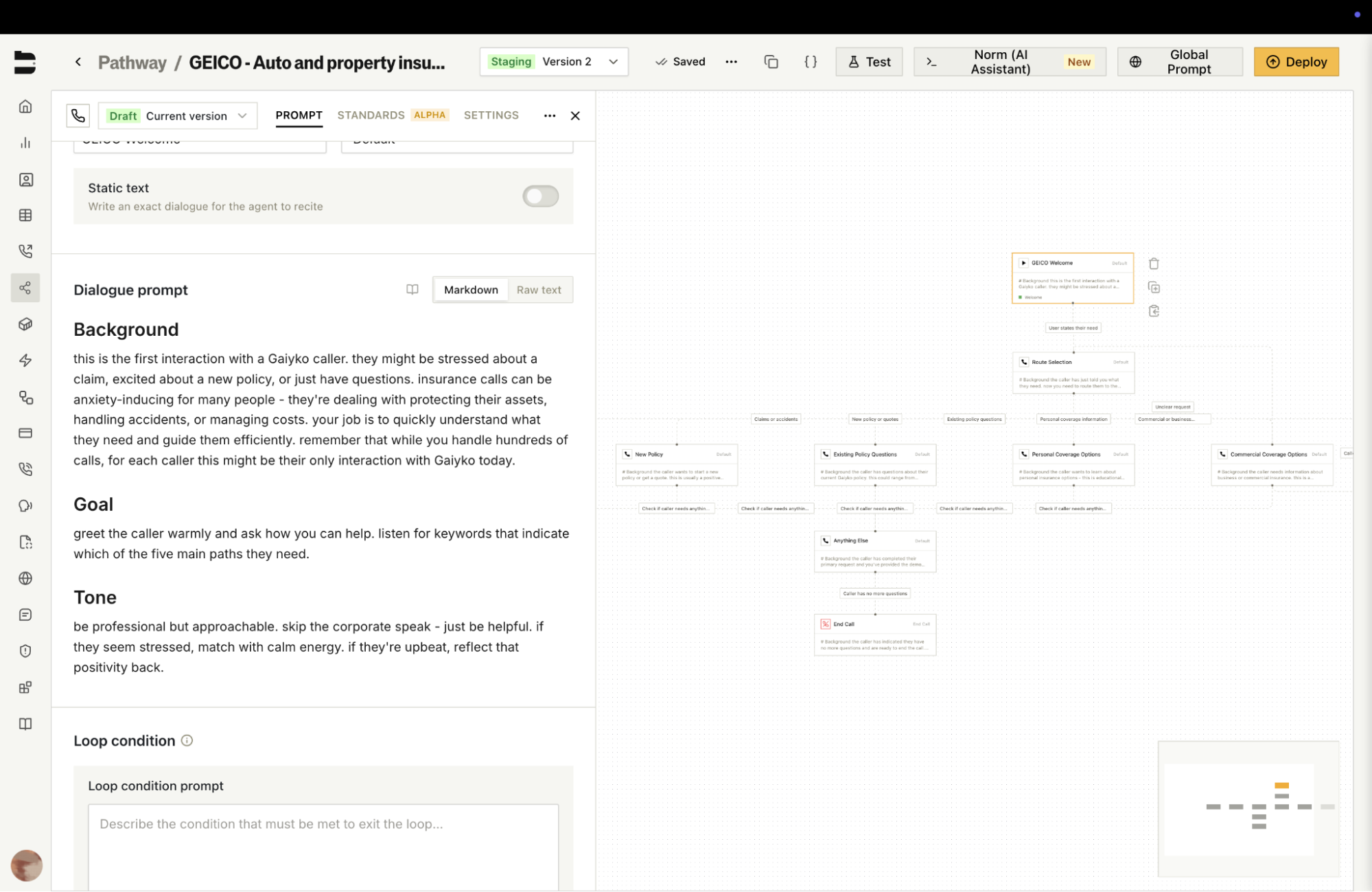
It now offers a no-code assistant called Norm, though production deployments still run through its API, Pathways flows, and prompt design. Bland AI also holds SOC 2 Type II, HIPAA, and PCI DSS certifications.
Why Seek an Alternative to Bland AI?
The engineering lift to build and maintain it
Bland is built API-first, so most of the work happens in code. Once you move past a basic setup, getting an agent live usually requires days to weeks of developer work on API integration, Pathways flow design, and prompt engineering. And that's before any ongoing maintenance. Even small changes often require a developer, so the people who own the customer experience can't update a script on their own. If you don't have engineering resources to spare, every little change ends up consuming developer time that could be better spent elsewhere.
Reliability and latency on live calls
Bland's site advertises 400ms response time. On real calls, the average runs closer to 800ms, and it tends to increase as calls get longer. By minute five of a ten-minute call, the pauses get noticeable. In voice conversations, that lag can be the difference between the caller staying on the line and hanging up. The more back-and-forth the conversation involves, the more obvious those delays become.
Support when something breaks
Below the Enterprise tier, support mostly happens through community channels rather than a ticket queue with predictable response times. Waiting days for an answer to an integration question isn't unusual, and priority support is only available with a custom enterprise contract. If a broken flow means missed calls, slow support costs can quickly turn into lost revenue.
11 Top Bland AI Alternatives
Below is a summary of the alternatives we will cover in this review:
# | Tool | Best For | Main Trade-Off | Starting Price |
1 | Callers | No-code AI for high-volume B2C teams | Best for mid-market B2C, not SMBs | Custom (demo) |
2 | Retell AI | Developer-built voice agents | Still requires engineering for advanced deployments | From $0.07/min |
3 | Vapi | Custom AI voice stacks | You build and maintain everything yourself | $0.05/min + models |
4 | Synthflow | No-code voice AI | Expensive, voice-first platform | From $30,000/yr |
5 | PolyAI | Enterprise inbound contact centers | Fully managed with limited self-serve flexibility | Custom (per-minute) |
6 | Cognigy | Enterprise contact center automation | Long implementation and setup | Custom |
7 | Sierra | Omnichannel enterprise CX | Outcome pricing and managed deployment | Custom (outcome) |
8 | Decagon | AI-powered customer support | Early-stage platform with limited self-serve | Custom |
9 | Voiceflow | Conversation design | Better for design than production calling | From $60/month (credit-based) |
10 | CloudTalk | AI-powered business phone system | AI is built around its telephony platform | $34/user/month (Business Phone). Free (AI Voice Agents) |
11 | Nextiva | Unified business communications | AI is an add-on, not AI-native | From $23/user/mo |
1. Callers
Callers is a CX automation platform that runs AI voice and messaging agents across calls, texts, and email on one shared context layer. Our platform is built for high-volume B2C teams who need conversations to scale without adding headcount for every extra thousand calls.
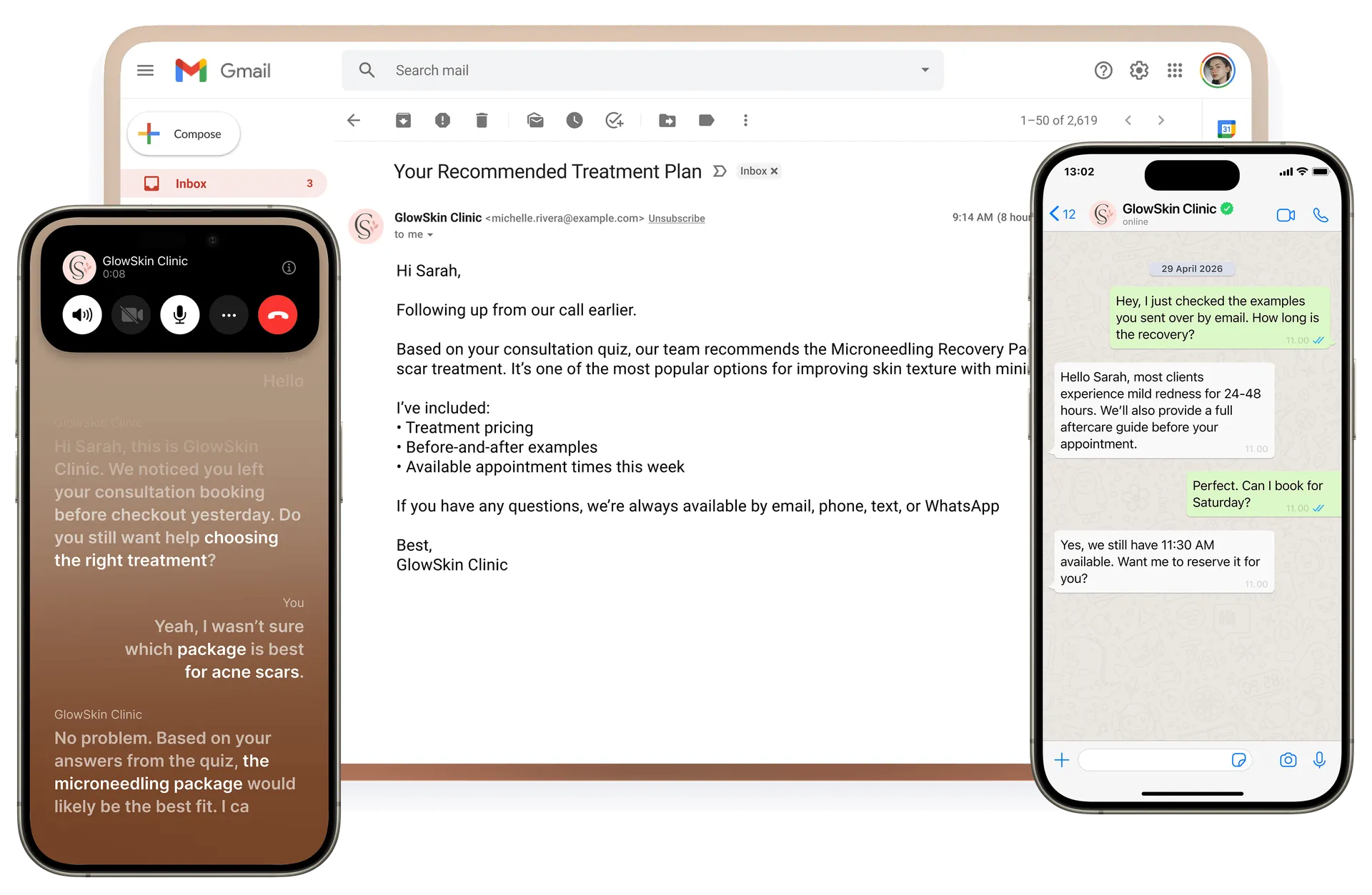
With Callers, your own team owns the build, unlike Bland AI. Our Intelligent Campaign Builder lets your operators create and edit campaigns without code, so you're live in minutes instead of waiting a full quarter for an engineering team to build it.
Every agent shares one memory across channels, so a text picks up right where the call left off. You can set actions to run before, during, and after a call, pushing data straight into your CRM through our native integrations.
Key Features
No-code campaign builder: Build and edit voice and messaging campaigns without writing code, and get live in minutes
One shared context layer: Carry full history across calls, texts, and email so every touchpoint continues the last one
Campaign orchestration: Fire pre-call, mid-call, and post-call actions with conditional retries across a full sequence
Native integrations: Sync data both ways with Salesforce, HubSpot, Shopify, and 610+ other tools
Real-time language switching: Switch languages mid-call and adapt tone to how the customer responds
Human handoff: Route a live call to an agent the moment a conversation needs a person
Compliance controls: Run on SOC 2 Type II and HIPAA controls without extra configuration
Pricing
Our pricing is quoted per account and tied to volume. You have to book a demo to get a number. It's priced per contact rather than per minute
Pros
Operators own the build and the edits, with no developer in the loop
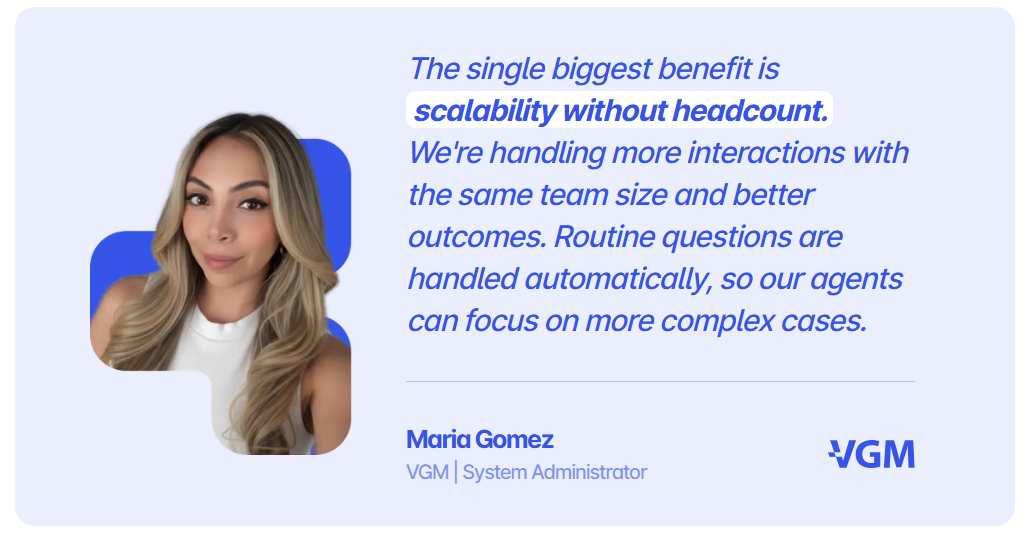
Scales outreach and support without adding headcount
One platform covers calls, texts, and email with shared memory
Enables rapid experimentation from one to multiple use cases
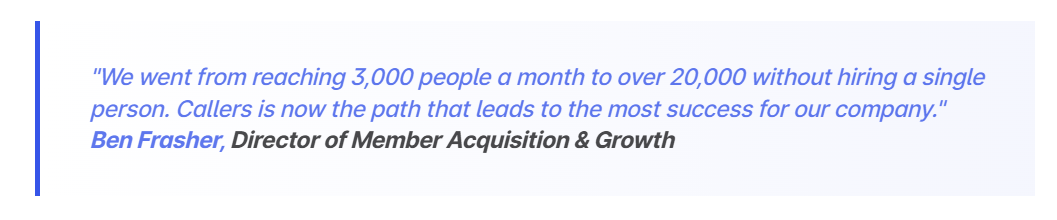
Live in minutes, with a dedicated onboarding contact on every plan
Reduces agent workload by automating routine conversations
Cons
Mostly suited for high-volume B2C businesses
Why Choose Callers Over Bland AI
Bland assumes a developer builds and maintains every agent. Callers hands that work to the people who own the customer experience, so a script change takes minutes in the campaign builder instead of a ticket in an engineering queue.
You also get one agent across calls, texts, and email with shared memory, per-contact pricing, and a dedicated onboarding contact on every plan. That combination clears the exact complaints that push most teams off Bland in the first place.
2. Retell AI
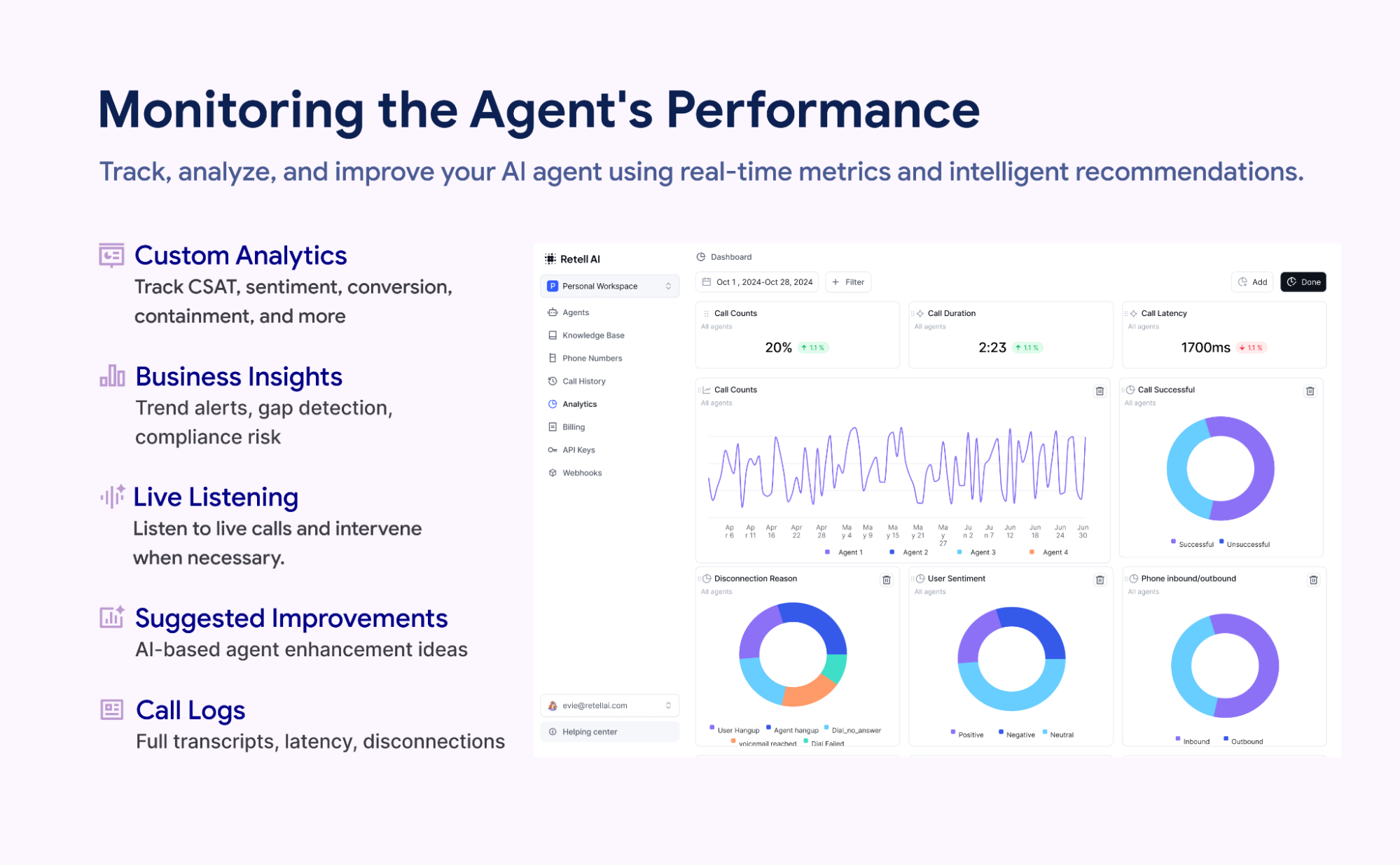
Retell AI is a voice AI platform for building and running phone agents, with roughly 600ms end-to-end latency and real-time function calling. It's close to Bland AI on the developer-leaning side of the market but now ships a drag-and-drop flow builder alongside its API, so it's less code-only than it used to be.
Key Features
Flow builder: Build call logic with a drag-and-drop editor or the API
Function calling: Trigger real-time actions mid-call from your own backend
Batch calling: Run outbound campaigns across many numbers at once
Integrations: Connect to HubSpot, Salesforce, GoHighLevel, and telephony providers
Pricing
Retell publishes usage-based pricing from $0.07 to $0.31 per minute, with $10 in free credits, no flat base fee, and custom Enterprise pricing
Rating
G2 rating: 4.8/5 (around 2,638 reviews)
Pros
Genuine sub-second latency that holds up on live calls.
A no-code flow builder now sits alongside the API
A large, active review base for a young category
Flexible API and webhooks enable deep customization for complex logic
Cons
Stacked per-minute billing is hard to forecast at volume
It's still developer-leaning for anything past a simple agent, unlike Callers' no-code, operator-owned approach
Non-English voice quality and locale coverage lag behind English
Why Choose Retell AI Over Bland AI
Retell holds its roughly 600ms response time on real calls, while Bland's advertised 400ms tends to drift toward 800ms and beyond as conversations run long. If latency is the reason you're switching, that gap alone settles it.
The drag-and-drop flow builder also means simple agents no longer need an engineer, and published per-minute rates make costs easier to sanity-check before you commit.
3. Vapi
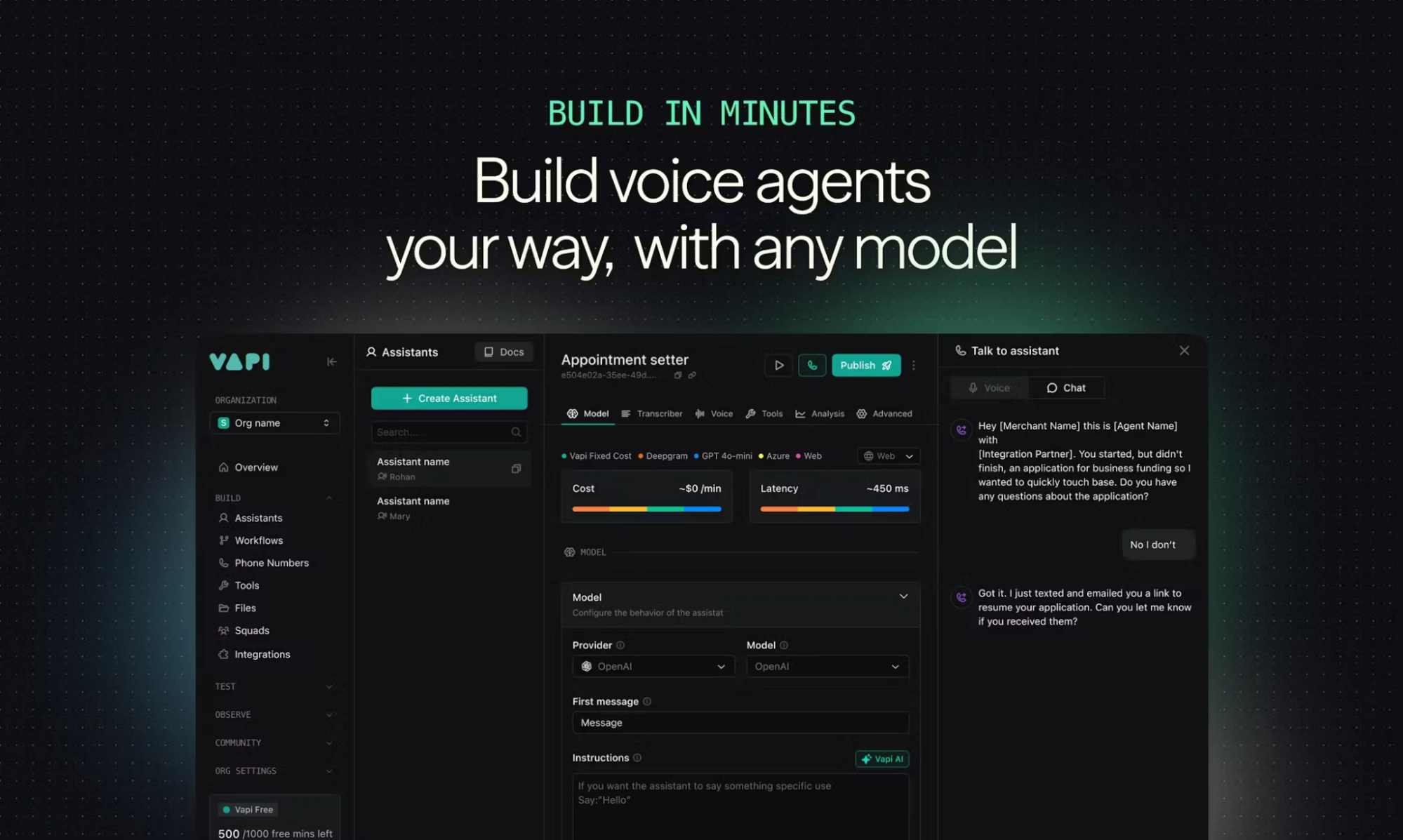
Vapi isn't a full-stack voice AI platform like Bland AI. Instead, it's an orchestration layer that gives developers the freedom to build their own voice AI stack. The platform lets you choose the LLM, voice provider, and telephony service that best fits your needs. Rather than working within a predefined system, engineering teams can assemble and fine-tune every part of the stack their own way.
Key Features
Bring your own models: Plug in your choice of language model, voice, and telephony provider
Orchestration API: Assemble call flows and logic through code
Concurrency controls: Scale simultaneous calls with per-line settings
Compliance add-ons: Add HIPAA or zero data retention as paid options
Pricing
Vapi charges $0.05 per minute for orchestration, with models billed on top at cost, plus $0.005 per message. HIPAA is a $2,000 per month add-on. Zero data retention is $1,000 per month
Rating
G2 rating: 4.2/5 (under 10 reviews)
Pros
Agent Squads enable complex multi-agent transfers by context
Thin platform fee with models passed through at cost
Trusted by large names like Amazon's Ring and Intuit
Sub‑500ms latency with a well‑tuned stack keeps conversations natural
Cons
You're assembling the stack yourself, while Callers delivers a production-ready platform from day one
Compliance and data-retention options cost extra monthly
Reliability degrades unpredictably without configuration changes
Why Choose Vapi Over Bland AI
Bland bundles the whole stack into one per-minute rate, so you take its model, voice, and telephony choices as a package. Vapi lets your engineers pick each layer themselves and swap any of them out when something better ships, with models passed through at cost on top of a thin orchestration fee. For a team that wants control rather than a bundle, that's the stronger deal.
4. Synthflow
Synthflow is designed for teams that want to deploy voice AI without the engineering overhead. While Bland AI relies on developers to connect APIs and build workflows, Synthflow gives operators a drag-and-drop flow builder they can use without writing code.
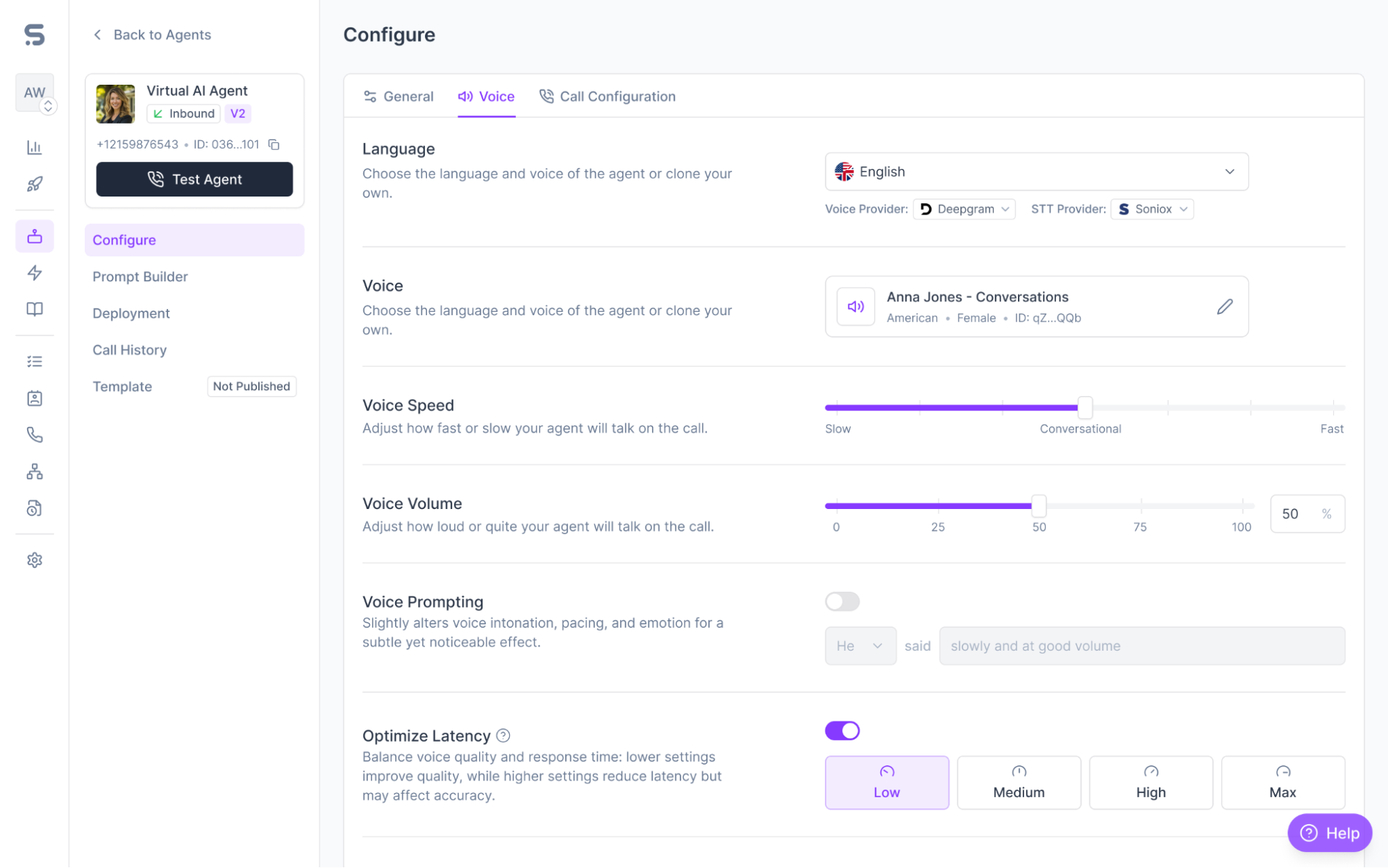
Its built-in white-label features and subaccount management also make it a strong choice for agencies that want to resell voice agents under their own brand.
Key Features
Visual Flow Designer: Build agents by dragging steps on a canvas, no code required
In-house telephony: Run calls on Synthflow's own phone infrastructure
AI Sandbox: Preview and roll back agent versions before they go live
Integrations: Connect to 200+ tools across CRM and support stacks
Pricing
Synthflow's enterprise contracts start at $30,000 a year. Final figures are scoped around call volume, concurrency, telephony setup, integrations, security needs, and launch support
Rating
G2 rating: 4.5/5 (around 1,015 reviews)
Pros
The AI Sandbox lets you test before you ship
Intuitive interface with clear tutorials that get non-technical teams running fast
Seamless CRM integration with tools like Salesforce out of the box
Scales to thousands of concurrent calls without degrading quality
Cons
Frequent unstable releases push half-tested features that waste time
Limited multichannel support. SMS metered against voice minutes, no native email
Dashboard performance has been historically slow
Why Choose Synthflow Over Bland AI
Synthflow removes the developer requirement that defines Bland. Operators build agents on a visual canvas, test them in the AI Sandbox, and roll back a version that misbehaves, all without touching an API.
Agencies get an extra reason to switch. White-label features and subaccount management let you resell voice agents under your own brand, something Bland's developer-first setup was never designed for.
5. PolyAI
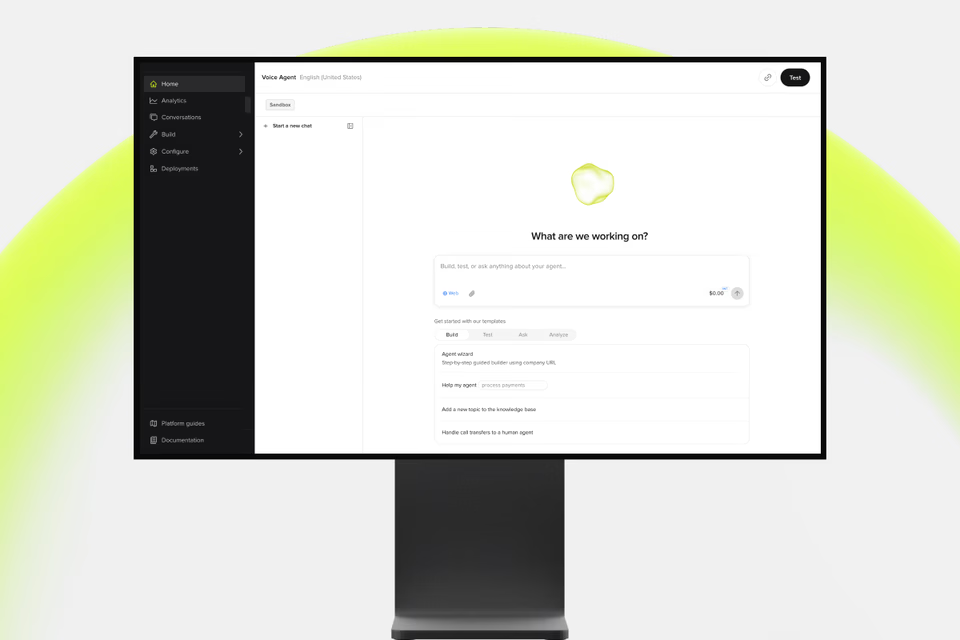
PolyAI is built for enterprises that need fully managed, brand-aligned voice agents. Unlike Bland AI, which targets developer-led outbound at scale, PolyAI focuses on complex inbound customer service for contact centers. Its proprietary Raven models deliver lifelike, natural conversations across 24+ languages, and its white-glove deployment means you don't build it yourself.
Key Features
Agent Studio: Build conversation flows without code
Voice-first design: Handle natural, interruption-heavy phone conversations
Enterprise integrations: Connect to contact center and CRM systems
Compliance: Operate under SOC 2, HIPAA, and PCI controls
Pricing
Priced on a per-minute basis, which includes proactive performance improvements, maintenance, and 24/7 support. Exact figures are not available publicly
Rating
G2 rating: 5.0/5 (around 12 reviews). Gartner Peer Insights 4.5/5 (around 28 reviews).
Pros
Handles complex, multi-turn conversations with naturalness
Scales reliably for enterprises handling thousands of calls daily
Enterprise-grade compliance out of the gate
Pre-built industry templates accelerate deployment for specific verticals
Cons
Experimentation and iteration are slower than on self-serve platforms like Callers
Non-English voice quality and locale coverage lag behind English performance
Analytics and QA tooling for recorded calls are less comprehensive
Why Choose PolyAI Over Bland AI
PolyAI takes the opposite bet from Bland. Rather than handing your developers an API, it deploys and tunes brand-aligned agents for you, with 24/7 support and ongoing performance work included in the per-minute price. For an enterprise contact center that wants lifelike inbound conversations without staffing a build team, that managed model beats maintaining Pathways flows in-house.
6. Cognigy
Cognigy is an enterprise AI platform built for large-scale contact center automation across voice, chat, and messaging. Its low-code flow builder makes it easy for business teams to design and update AI agents without relying on developers.
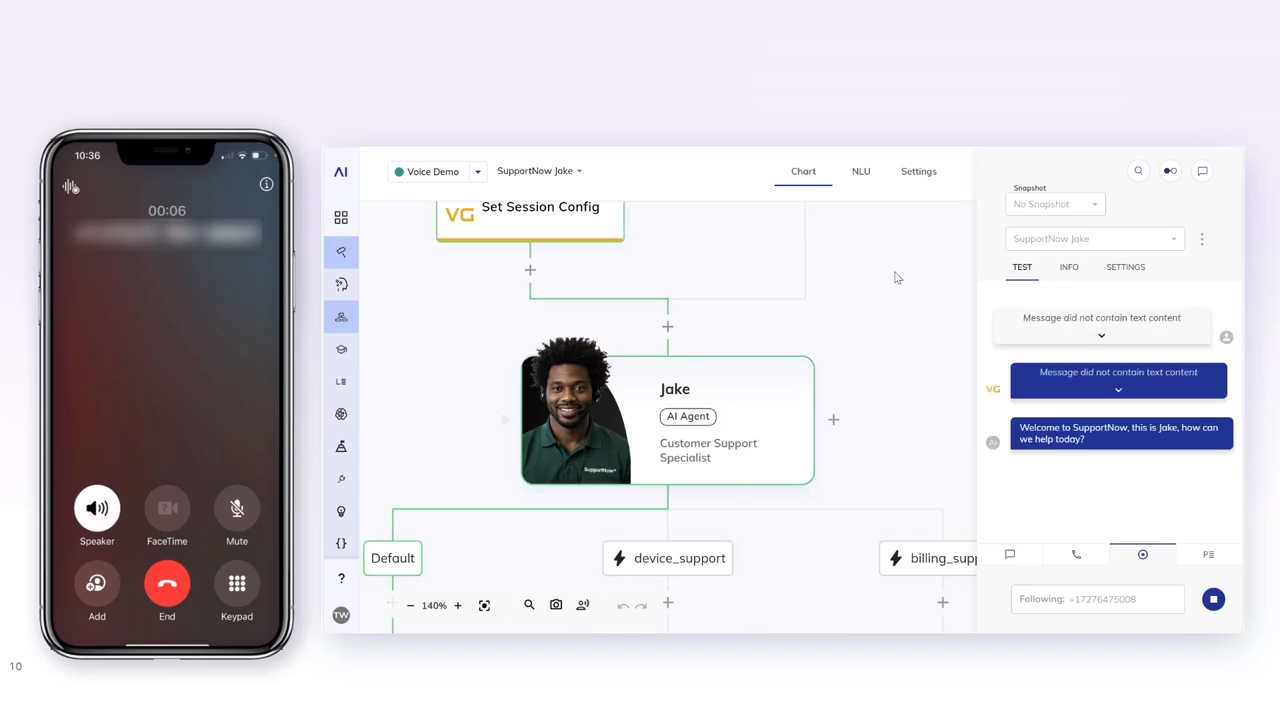
Following its acquisition by NICE in 2025, Cognigy became the conversational AI layer within the CXone ecosystem, making it a stronger fit for complex, omnichannel enterprise service than platforms like Bland AI.
Key Features
Low-code flow builder: Design conversation flows with a visual editor
CCaaS connectors: Integrate with Genesys, Avaya, and NICE CXone out of the box
Agent Copilot: Assist live human agents with real-time suggestions
Knowledge AI: Answer questions from your existing knowledge base
Pricing
Custom, sales-led enterprise contracts tailored to specific business requirements
Rating
G2 rating: 4.6/5 (around 13 reviews), Capterra 4.8/5 (around 23 reviews)
Pros
Pre-built connectors for Genesys, Avaya, NICE CXone, and major CRMs
Hybrid AI architecture blends deterministic rules with generative LLMs
Supports over 100 languages with runtime routing
Role-based governance and compliance controls keep enterprise risk tightly managed
Cons
Starts as a blank canvas, requiring extensive upfront configuration
Deployment timelines stretch to two to four months
Limited analytics capabilities restrict advanced flow optimization
Why Choose Cognigy Over Bland AI
Bland automates phone calls. Cognigy automates a contact center, plugging into Genesys, Avaya, and NICE CXone, assisting live agents mid-conversation, and running more than 100 languages under tight governance controls. If your service operation spans channels and departments, Cognigy is playing the game you're actually in.
7. Sierra
Sierra is an enterprise agent platform built for customer experience teams. Its Agent OS enables businesses to build one AI agent and deploy it across chat, voice, SMS, WhatsApp, and email with consistent behavior. Ghostwriter, an agent-building agent, takes plain English descriptions and automatically generates production-ready agents.
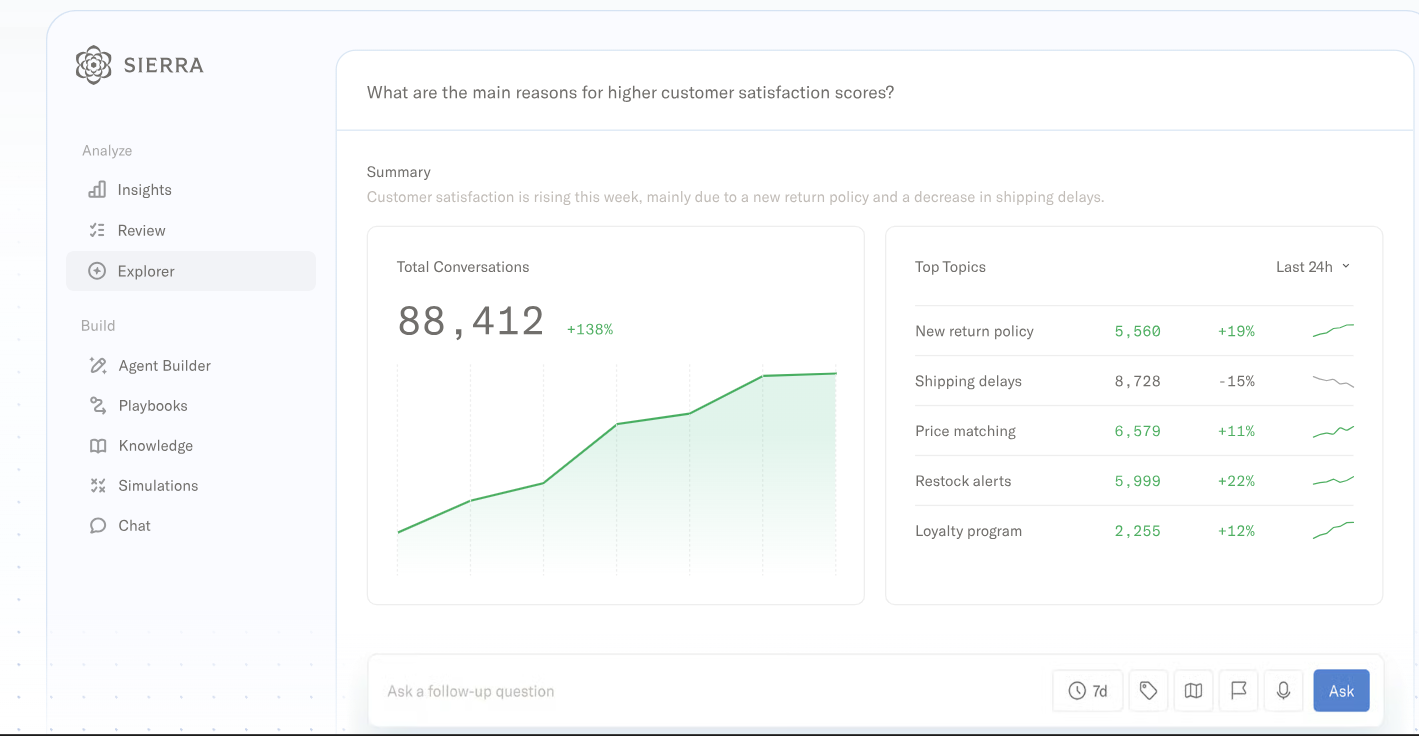
Platforms like Bland AI focus on call automation, while Sierra is built for governed, brand-aligned customer experience at global scale.
Key Features
Agent Studio: Configure agents without writing code
Omnichannel: Run one agent across chat, voice, SMS, WhatsApp, and email
Ghostwriter: Generate agent logic with an AI assistant
Insights: Track agent performance and outcomes
Pricing
The platform is outcome-based. You pay when the AI achieves a predefined successful outcome such as a resolved conversation, saved cancellation, upsell, or cross-sell. Exact figures are not stated.
Rating
G2 rating: 4.4/5 (around 49 reviews)
Pros
Natural voice AI with fast response times
Constellation multi-model architecture reduces AI errors on complex tasks
support for 34+ languages across channels
Outcome-based pricing ties what you spend to results
Cons
Managed-service model can slow deployment and make customers dependent on Sierra
No native helpdesk integration with platforms like Zendesk or Intercom
Struggles to maintain context in longer conversations
Why Choose Sierra Over Bland AI
Sierra spans chat, voice, SMS, WhatsApp, and email with one consistently behaving agent, where Bland stays anchored to the phone. Ghostwriter also cuts the build effort, turning a written description of the job into a deployable agent rather than asking for prompt engineering and flow design.
The pricing logic differs too. You pay when the agent achieves an outcome, so spend follows results rather than call minutes.
8. Decagon
Decagon is an enterprise conversational AI platform built to deliver personalized customer support across chat, email, and voice. Its Agent Operating Procedures (AOPs) let teams define agent behavior in natural language, turning instructions into structured workflows.
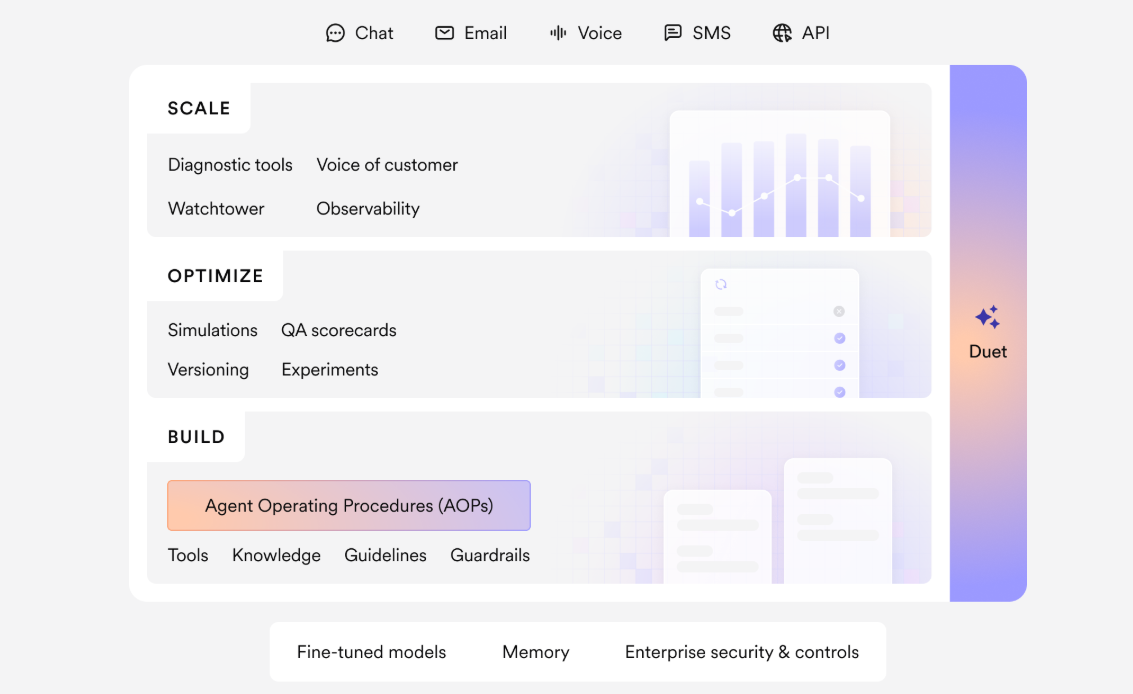
Businesses evaluating Bland AI but needing broader omnichannel support and AI that continuously improves over time may find Decagon a better fit.
Key Features
Agent Operating Procedures: Define agent behavior in plain language
Omnichannel support: Handle chat, email, and voice from one system
Watchtower: Monitor agent decisions and quality
Experiments: Test changes before rolling them out
Pricing
Custom. Exact figures are quoted through a demo
Rating
G2 rating: 4.8/5 (around 25 reviews)
Pros
Seamless implementation with direct vendor support for integration
Immediate 75-80% ticket deflection out of the box
Robust and customizable admin features with simple knowledge updates
High-touch collaboration with a reliable, flexible team
Cons
Platform built entirely around AI automation with no integrated human handoff
Early-stage product with features rolling out slowly and occasional bugs
No self-serve path for testing ROI
Why Choose Decagon Over Bland AI
Decagon lets your CX team write agent behavior as plain-language operating procedures, a very different daily experience from maintaining code and Pathways flows. Chat and email support comes native rather than phone-first, customers report 75 to 80 percent ticket deflection early on, and the vendor's own team helps wire up the integration.
9. Voiceflow
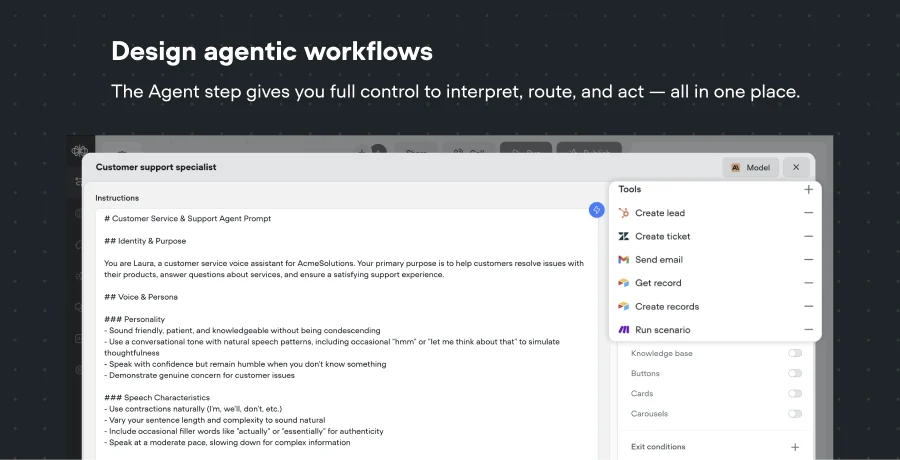
Voiceflow is a collaborative platform for designing, testing, and deploying AI agents across chat and voice. Its drag-and-drop builder helps designers and developers shape conversations together without rewriting code for every change. Its broader chat-and-voice workflow gives it an edge for teams that need more than Bland AI's phone-first setup.
Key Features
Workflow Builder: Design voice and chat agents on a visual canvas
Knowledge base: Answer from your docs, help center, and sitemap
Multi-LLM support: Choose among language models per project
Developer toolkit: Extend agents through APIs and custom code
Pricing
Voiceflow combines a monthly subscription fee with usage-based credits
A free Starter plan is also available for testing, with limited agents and no production use
Pro plans starting at $60/month (10,000 credits, 1 editor) and $50 per additional editor seat
Rating
G2 rating: 4.6/5 (around 111 reviews)
Pros
Intuitive drag-and-drop interface makes complex conversation design accessible
Active community with strong learning resources
Reusable design components and version control streamline team collaboration
API integrations and JavaScript code blocks for deeper customization
Cons
Voice quality often sounds robotic with noticeable latency
BYO model requires the enterprise tier
Occasional bugs and UI issues can force agent rebuilds after functionality changes
Why Choose Voiceflow Over Bland AI
Voiceflow is built for the design work Bland skips. Designers and developers shape conversations together on a shared canvas, version their changes, and reuse components across chat and voice agents.
It's also the cheapest way on this list to find out whether conversational AI fits your use case, since Pro starts at $60 a month while Bland's real cost only shows up once live call volume hits.
10. CloudTalk
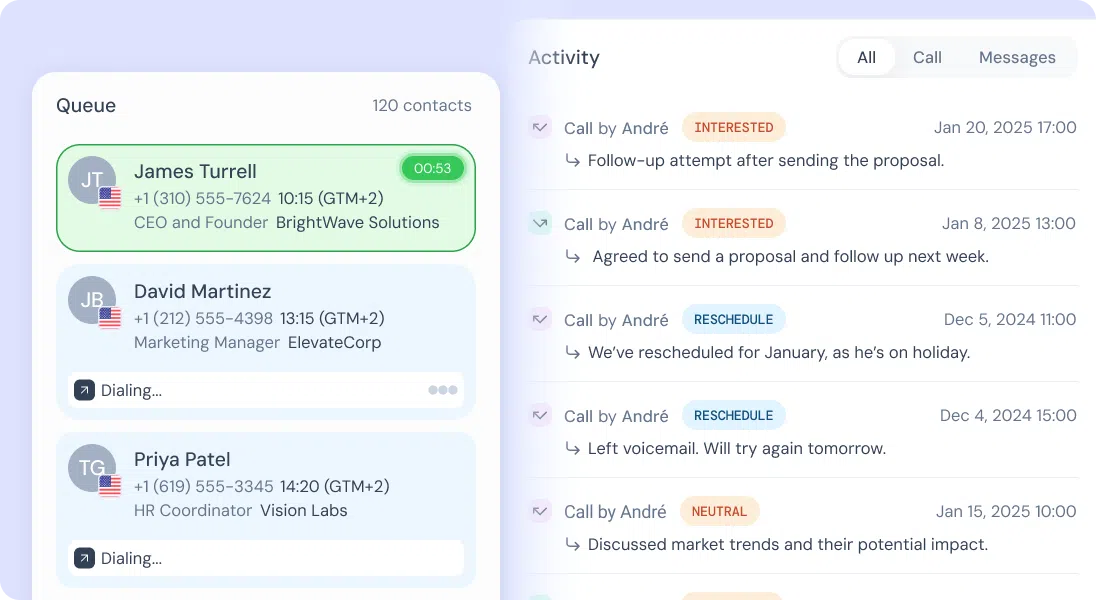
CloudTalk is a cloud-based call center platform with its AI voice agent, CeTe, built directly into its telephony system. It can handle inbound and outbound calls, qualify leads, book appointments, answer common questions, and hand conversations off to human agents when needed. Teams that want AI built into their phone system may find it a more practical choice than Bland AI's API-first approach.
Key Features
AI voice agents: Automate inbound and outbound calls on CloudTalk numbers
Smart dialers: Run power and parallel dialing for outbound teams
IVR routing: Route callers with a visual call-flow designer
Conversation intelligence: Transcribe and analyze calls as an add-on
Pricing
Business Phone System: Starts at $34/user/month. Includes cloud telephony, AI voice agents, CRM integrations, call routing, analytics, and optional AI features through paid add-ons
AI Voice Agents: Starts with a free AI Receptionist (50 minutes/month). Custom enterprise pricing is available with rates starting at €0.15/minute
Rating
G2 rating: 4.4/5 (around 1,849 reviews)
Pros
Clean, modern UI makes daily call management straightforward and pleasant
Mature routing, dialers, and reporting
Native CRM integrations, a no-code flow builder
Support for more than 60 languages make it easy to deploy
Cons
Support can be unresponsive or unhelpful after onboarding, whereas Callers includes a dedicated CSM on every plan
Mobile app lags behind desktop, lacking key features and occasionally crashing
Unstable reception, dropped calls, and lag create reliability issues
Why Choose CloudTalk Over Bland AI
CloudTalk gives you a working call center with the AI already inside it. Numbers, IVR routing, dialers, and reporting come with the platform, so the CeTe agent handles calls without you wiring up telephony through an API first. At $34 per user per month with a free AI Receptionist to start on, a support or sales team can test it without a developer in the room.
11. Nextiva
Nextiva is an all-in-one customer experience platform that brings together business communications, contact center, and AI automation in a single system. Unlike Bland AI’s developer-led approach, it gives teams a ready-to-use stack with no-code setup and high uptime.
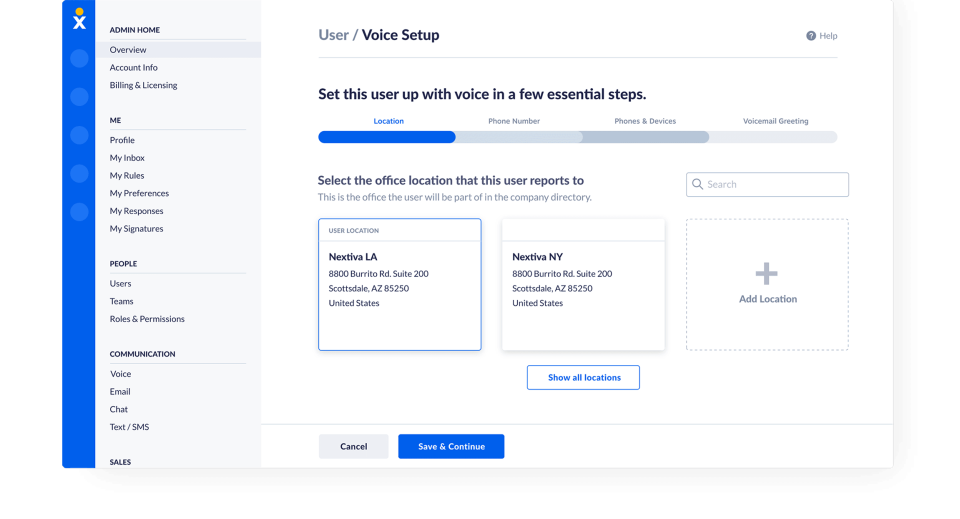
Its AI receptionist, XBert, can answer calls, respond to texts and chats, book appointments, and route more complex requests to human agents with full conversation context.
Key Features
Unified communications: Run business phone, video, and messaging together
Contact center: Route and queue high call volumes with CCaaS tools
AI automation: Add automated call handling on top of the phone system
Analytics: Report on call volume, routing, and agent activity
Pricing
Plans start at $23/user/month, with XBert AI Receptionist available as an add-on across all tiers
Rating
G2 rating: 4.5/5 (around 3,604 reviews)
Pros
Reliable voice quality and near-perfect uptime
User-friendly interface makes daily call management and administration straightforward
Broad plan range makes it suitable for small businesses
All-in-one UC bundle integrates messaging, meetings, and admin tools
Cons
Mobile app suffers from dropped calls, missed rings, and general unreliability
Billing and contract inflexibility make downgrading or canceling services difficult
Some users report long hold times and unhelpful responses
Why Choose Nextiva Over Bland AI
Nextiva suits teams that need the phone system as much as the AI on top of it. Business phone, video, messaging, and contact center tools live in one place, with XBert answering calls and texts and routing the tricky ones to a person with context intact. Setup is no-code and plans start at $23 per user per month, a much gentler entry than staffing a Bland build.
How We Evaluated These Alternatives
We compared each platform using the criteria that matter most to teams moving on from Bland AI.
First, we looked at who actually owns the platform after deployment: can operations teams build and update agents themselves, or does every change require engineering?
We also evaluated real-world call performance, focusing on latency, reliability, and conversation quality under production workloads.
Pricing was another key factor, with preference given to transparent, predictable pricing over complex per-minute fees or quote-only models.
We assessed channel support to see whether each platform handles voice alone or provides a unified experience across voice, SMS, email, and other messaging channels. Callers stands out here, combining voice and messaging on one shared context layer.
Finally, we considered implementation speed, customer support, and enterprise readiness, including certifications such as SOC 2 and HIPAA for healthcare.
How to Choose the Best Bland AI Alternative
The best choice depends on how your team works and what you need to automate.
Match the platform to your operating model: If your team needs to launch, edit, and optimize campaigns without waiting on engineering, choose a tool built for operator ownership.
Prioritize speed to value: Some platforms take months to roll out. Callers is a strong fit here because it ships in days and includes white-glove onboarding on every plan so teams can start seeing results fast.
Look at the full conversation stack: If your workflows span voice, SMS, email, or chat, choose a platform that can support more than one channel without fragmenting context.
Compare total effort, not just sticker price: Factor in implementation time, maintenance, support, and the internal resources needed to keep the system running.
Frequently Asked Questions (FAQs)
What Is A Good Latency For AI Voice Conversations?
Most callers notice a lag once response time passes 500 to 800 milliseconds, and conversations start to feel robotic past the one-second mark. Sub-800ms is the industry standard for natural conversation, with 500ms considered ideal but not always achievable in production.
Can You White Label Or Resell AI Voice Agents?
Yes, several platforms support white-label and subaccount setups for agencies, though the depth of branding control varies by vendor.
How Hard Is It To Switch From Bland AI To Another Platform?
Migration effort depends on how much logic lives in Pathways flows and custom code. No-code platforms like Callers cut that lift since campaigns rebuild through a visual builder instead of a full re-code.
Can AI Voice Platforms Run On My Own Infrastructure?
A handful of vendors, including Bland AI, offer on-premise or self-hosted deployment for regulated industries. Most others run fully on their own cloud.
Which Compliance Certifications Matter Most For Voice AI?
SOC 2 Type II and HIPAA cover the baseline for healthcare and finance, with PCI DSS and GDPR needed for payment and EU data handling. Callers runs on all five without extra setup, which removes a common blocker for regulated teams.
Scale Customer Conversations with Callers
The best Bland AI alternative is the one your team can actually run and scale. Some businesses need a developer-first platform with maximum flexibility. Others need a solution their operations team can launch, manage, and improve without engineering slowing them down.
We built Callers for the latter scenario. If you're looking for an AI-native platform that helps you automate customer conversations across the full lifecycle, book a demo with Callers today.