

Inbound support
Take the pressure off with peak volume, repeat questions, and after-hours calls handled for you.


Answer every call and follow up on every lead, 24/7, in any language. Live in days, without adding headcount.










More calls, more hiring
Each jump in volume triggers another hiring round. Recruiting, training, and management costs climb while service quality falls.
Leads go cold waiting for a callback
After-hours and peak calls roll to voicemail
Cost per call rises with every hire

Any volume, same team
AI voice agents hold routine conversations on both sides of the line. Headcount stops determining how many calls you can handle.
Every lead called back in seconds
24/7 answering, with overflow and holidays covered
A fraction of the cost of a $25 to $50 per hour agent
The agent listens without talking over people. It handles interruptions, keeps a natural pace, and never leaves an awkward silence.
You can even tune how patient it is between turns. Callers on the other end get a real conversation, and most simply talk back like they would to a person.
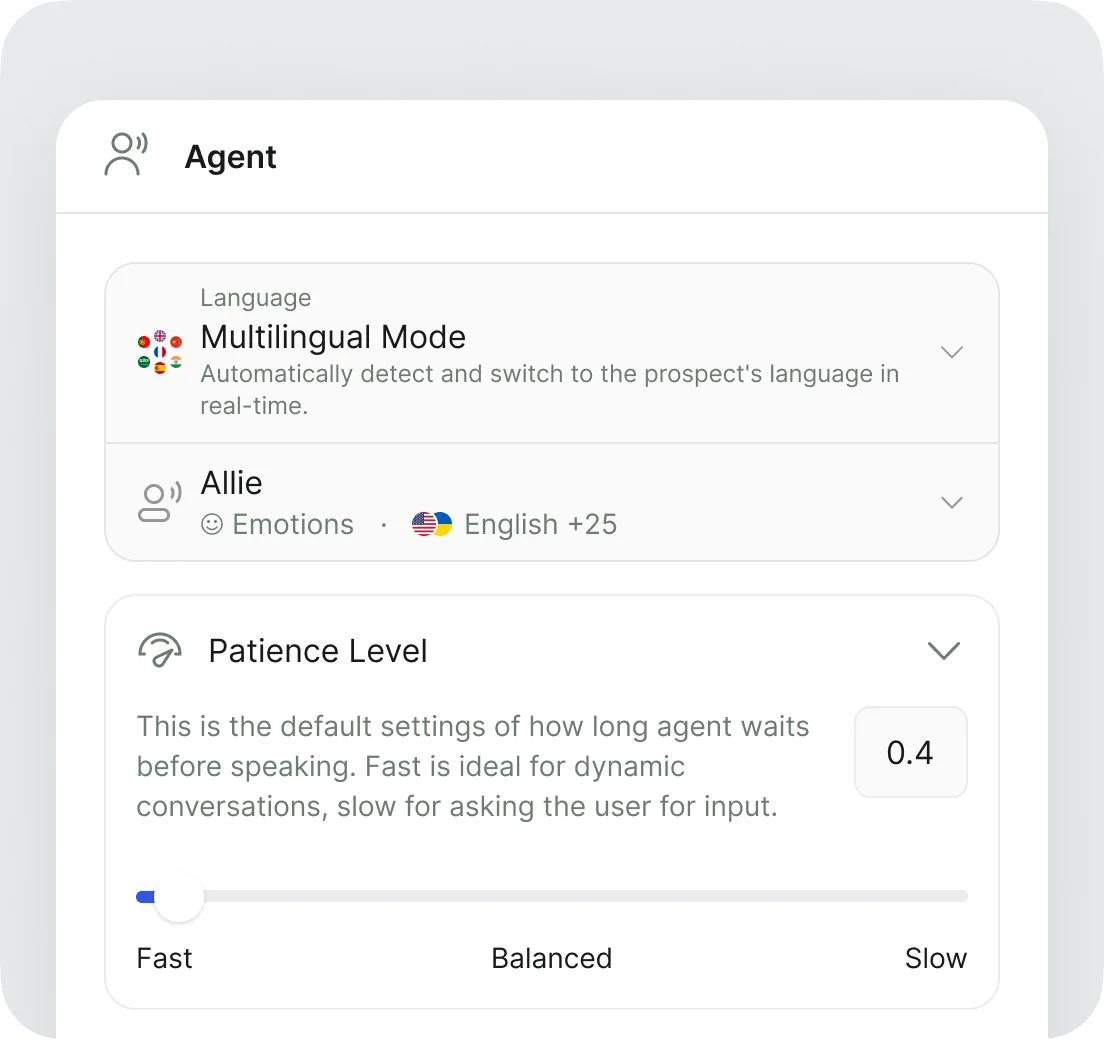
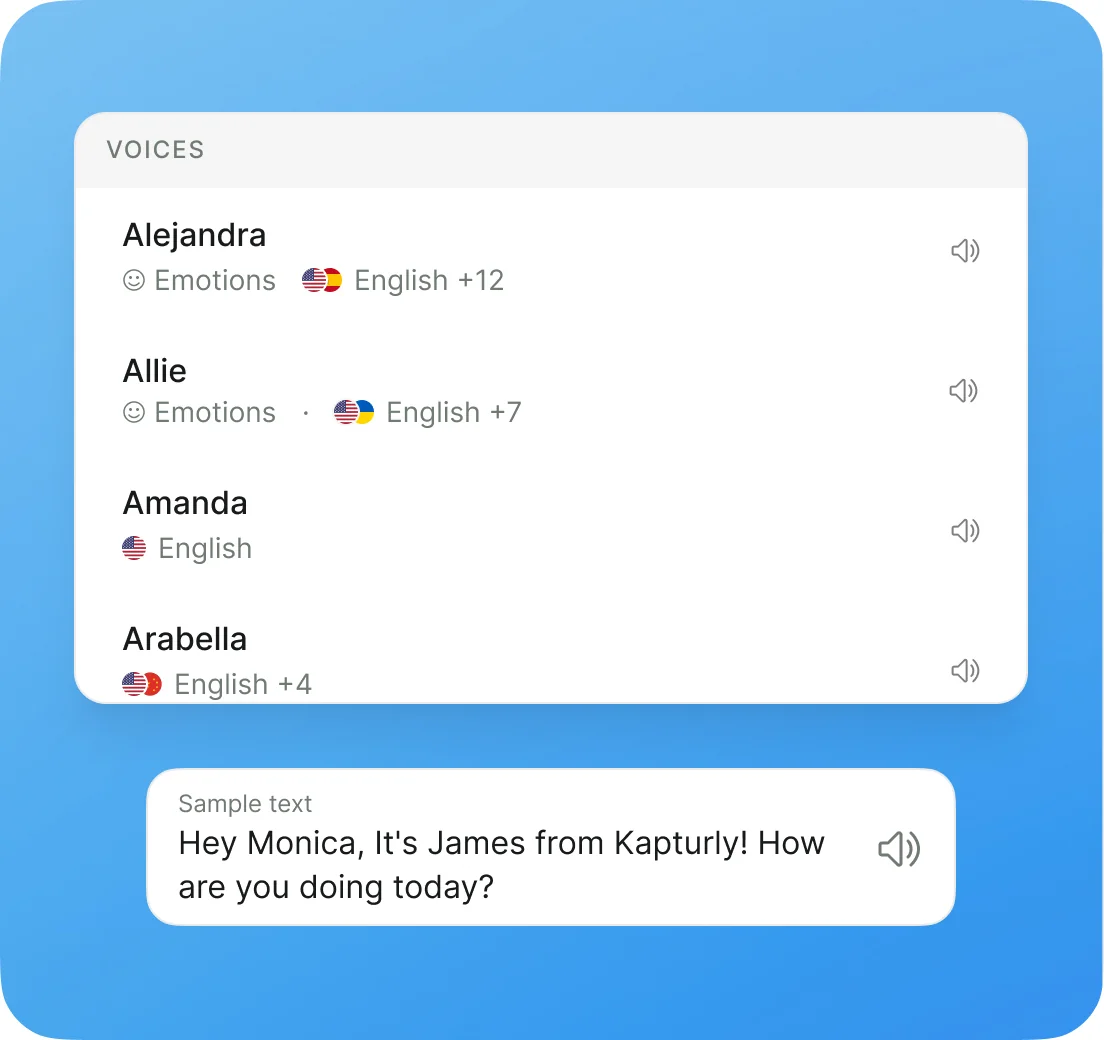
Pick the voice, tone, and pacing that sound like your company. Test every option on sample lines before it takes a single call.
Need something closer to home? Voice cloning is available too, so the agent can speak in a voice your customers already know.
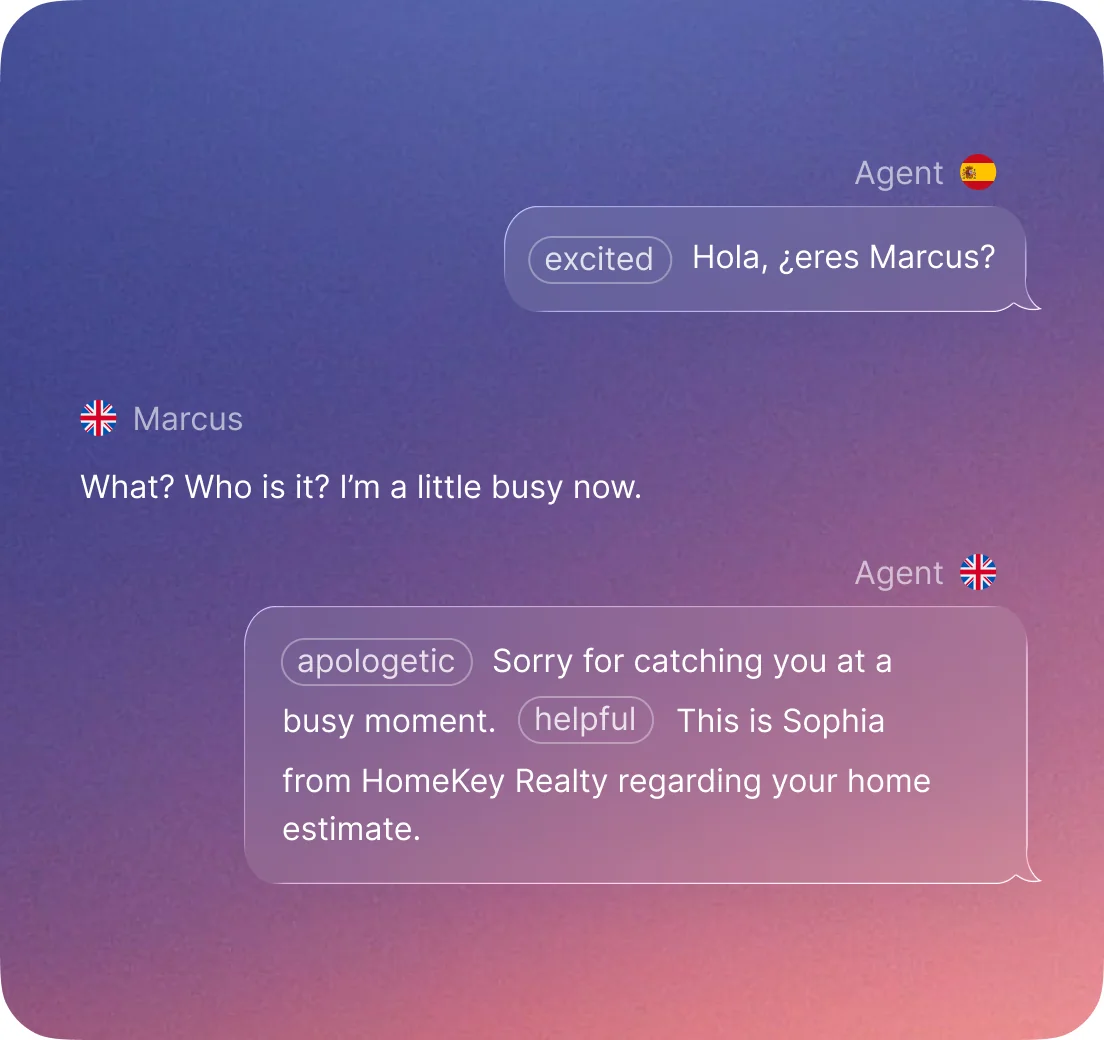
One agent covers 70+ languages and regional dialects. And can also switch between 26+ languages during a call. So if a customer slips from English into Spanish in the middle of a sentence, Callers does too.
There's no transfer or callback, and you don't staff separate language teams. Every caller gets a native-sounding experience.
Routine calls resolve end to end. Sensitive or high-value moments reach your team as a warm transfer, with a spoken summary of the conversation so far.
You write the escalation rules, the agent follows them, and customers never have to repeat themselves.
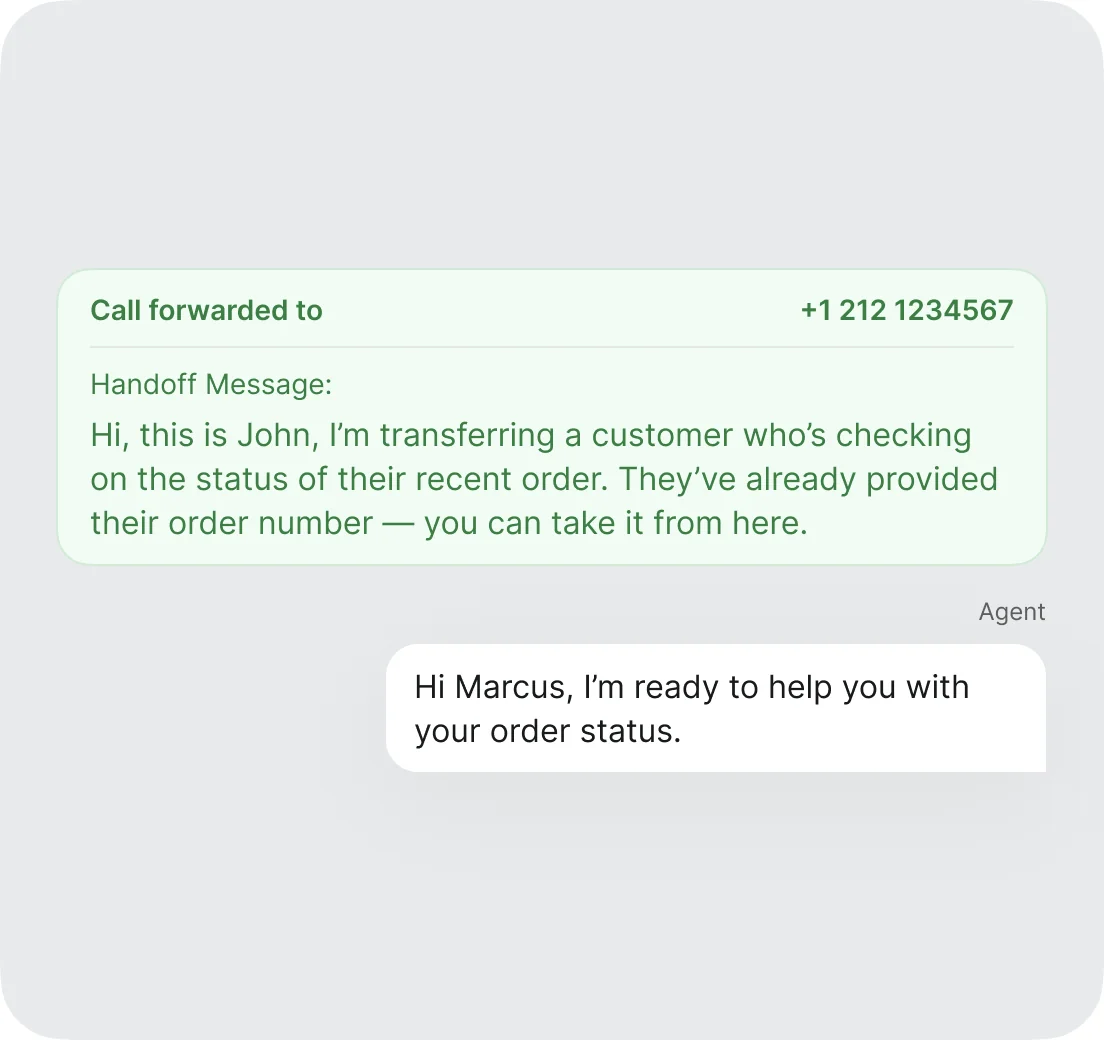
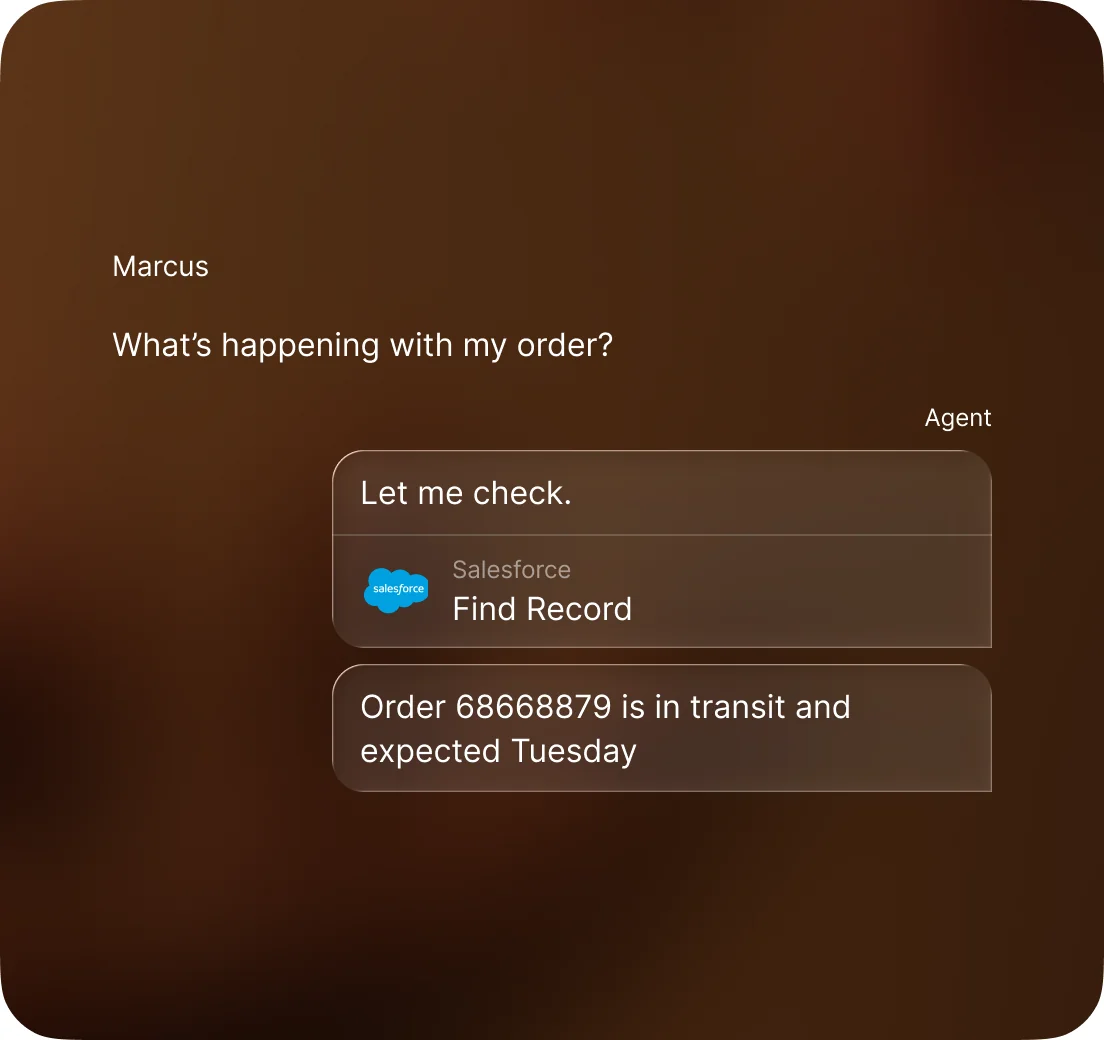
Mid-call, the agent looks up orders, checks availability, verifies identity, and books meetings straight into the calendar. Afterwards it updates your CRM, fires the follow-up text, and tags the outcome.
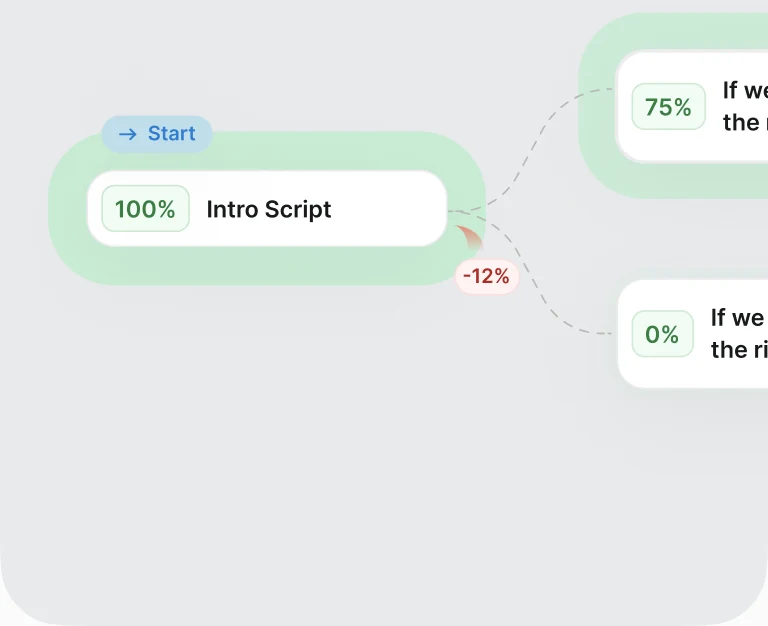
Step-level analytics then show exactly where your scripts win and where they lose people.
Inbound support
Take the pressure off with peak volume, repeat questions, and after-hours calls handled for you.

After-hours and overflow
Pick up at 2am, on holidays, and when queues spill over

Appointment booking
Schedule, confirm, and reschedule without a back office queue

Speed to lead
Call every new lead within seconds of the form fill.

Lead qualification
Qualify interest and book the meeting in one call.

Win-back campaigns
Re-engage lapsed customers at a scale reps can't dial.
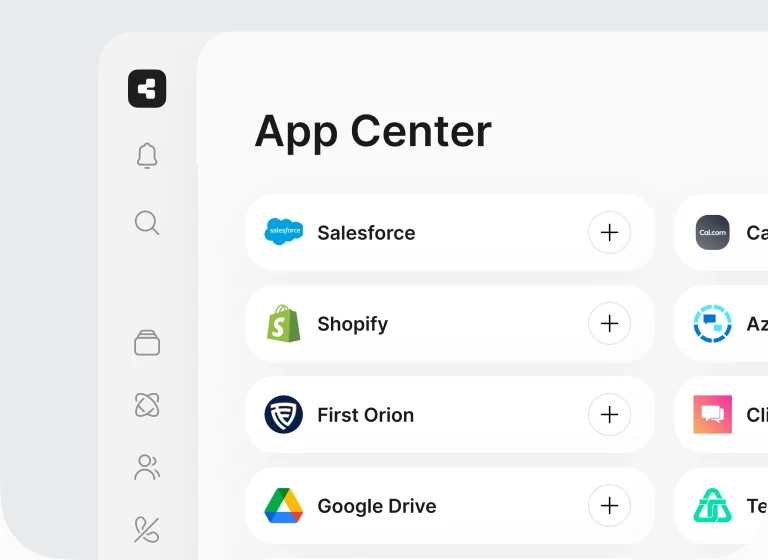
Callers ships with 610+ native integrations, so nothing stands between you and going live. The agent reads and writes Salesforce, HubSpot, Zendesk, and the rest of your stack in real time during calls. Your phone system connects too, through Twilio, SIP, or Telnyx.






















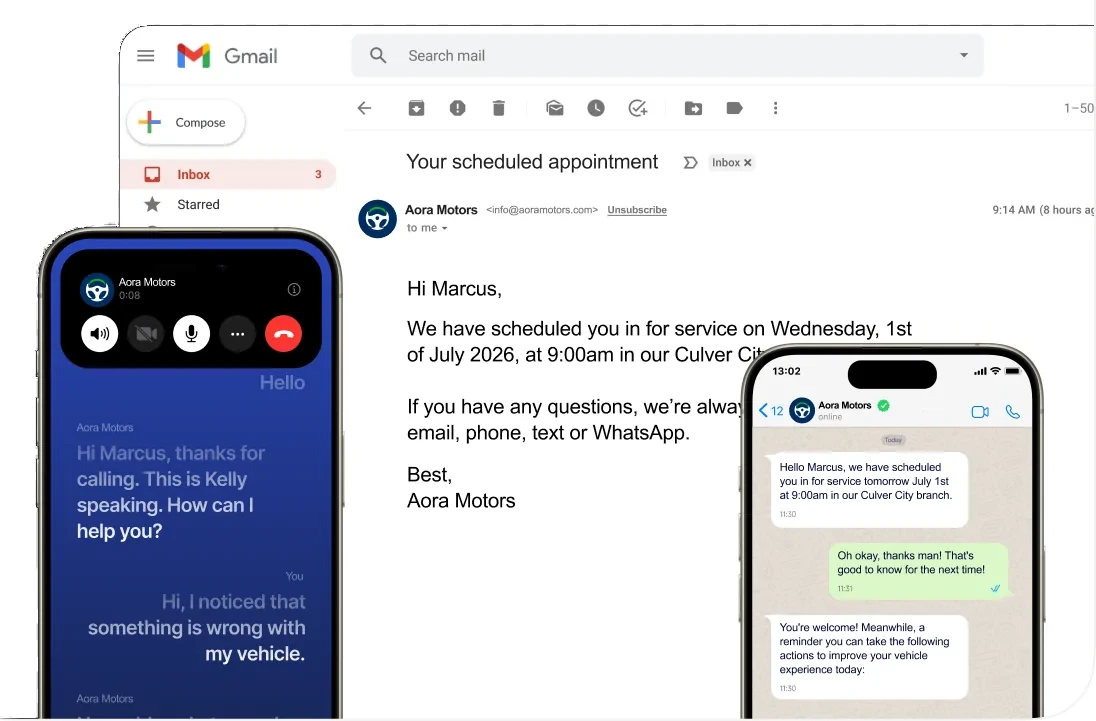
Same agent, same memory, on every channel.
A phone call rarely stays a phone call. Callers carries customer history, preferences, consent, and past conversations across voice, text, chat, and email. The customer who spoke to your agent this morning can text back tonight and pick up right where the call ended.

Enterprise-grade security on every call.
Callers is SOC 2 Type II, HIPAA, GDPR, CCPA, and PCI DSS compliant. TCPA controls and Do Not Call screening are built into outbound campaigns. Calls and customer data stay encrypted in transit and at rest, with role-based access behind the scenes.





1
Build your agent
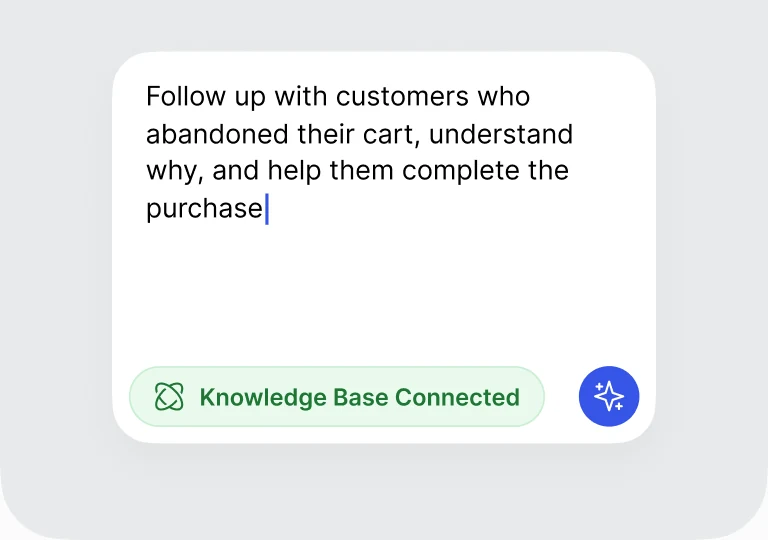
Pick your scenario and let the AI Script Writer draft the full call flow. Refine every node and branch in the drag-and-drop builder, then run test calls. Your operators own it end to end, with no developers required.
2
Connect your stack
Link your CRM, helpdesk, calendar,
and knowledge base, then bring your numbers over Twilio, SIP, or Telnyx. From the first call, the agent answers from live customer and order data rather than a canned script.
3
Launch and improve
Go live with a dedicated CSM on every plan. Step-level analytics show where calls convert and where they drop off, so every week of tuning lifts resolution and booking rates.
70%
cost savings
Replace manual agents and add coverage without growing your team.
65%
lower call center load
Callers takes the repetitive, high-volume calls off your team's plate.
+40%
operational efficiency
Agents spend their time on complex calls, not repetitive ones.
+10
CSAT points
Faster, more consistent answers on every call lift customer satisfaction.
<1s
response time
Every call answered in seconds, so customers never wait in a queue.
Infinite
scalability
Run seven times the qualification calls without adding a single new hire.
“Agents hates outbound. Now they talk to people who want to talk. Morale is up.”
Ben Frasher, Director of Acquisition & Growth




“We were up and running faster than expected and started seeing measurable results within the first week.”
Chelsea Thompson, Director of Operations


“Callers cut our call center load by 65% and 10X our outreach with significantly better results.”
Rob Stevenson, Vice President


”We increased the number of qualified appointments by engaging prospects faster.”
Maria Gomez, System Administrator


”Callers cut our call center load by 65% and 10X our outreach with significantly better results.”
Justin Kahn, Head of Digital Innovation


An AI voice agent is software that holds real phone conversations, in both directions.
It answers inbound calls, places outbound ones, understands natural speech, and completes the task the call was about, whether that's resolving a question, qualifying a lead, or booking an appointment.
It's a different thing from the phone tech you've probably suffered through. An IVR reads menus and routes button presses. A voice agent talks like a person, pulls live data from your systems mid-call, takes actions like booking meetings or sending confirmations, and writes everything back to your CRM when the call ends.
The best way to understand the difference is to hear one, which is what the demo above is for.
The current generation doesn't, and this is usually the first thing that surprises people on a demo. Callers uses emotionally intelligent voices with natural turn-taking, so the agent pauses when it's interrupted, matches the caller's pace, and answers without lag or dead air.
You choose the voice, tone, and pacing, and you can clone a voice your customers already know. Most people on the other end simply have a normal conversation.
Yes. On Callers that's the default architecture rather than two products stitched together. The same agent answers your inbound line and runs your outbound campaigns, with the same integrations, the same knowledge base, and the same escalation rules behind both.
Outbound campaigns add their own controls on top: calling windows, retry logic, daily attempt caps, and spam-flag checks on your caller IDs. Because both directions share memory, context never splits. A lead your agent called yesterday can ring back today and the agent picks up the thread instead of starting over.
The agent hands it to your team as a warm transfer, with a summary of the conversation so far, so the customer never repeats themselves.
You decide what triggers the handoff: specific topics, negative sentiment, a caller asking for a person, or high-stakes moments like cancellations and complaints. You can also route different situations to different people, so billing escalations reach billing and retention saves reach the right closer.
Everything below that bar resolves end to end without your team touching it, which is the point. Your people stop fielding routine volume and only take the calls that genuinely need human judgment.
Almost certainly. Callers ships with 610+ native integrations, covering Salesforce, HubSpot, Zendesk, Shopify, Stripe, and most of the stack mid-market teams run. Native matters here: the agent reads and writes those systems live during the call, so answers come from real customer and order data, and there's no API project to fund before you start.
On the phone side, you connect through Twilio, SIP trunking, or Telnyx and keep your existing numbers.
Days, in most cases. The AI Script Writer drafts your call flow from your use case, your team refines it in the no-code builder, and test calls tell you when it's ready. A dedicated CSM guides setup on every plan, and most teams see measurable results inside the first pilot.
Callers uses simple usage-based pricing:
What you compare it against is a fully loaded human agent at $25 to $50 per hour. At high call volume that gap usually settles the business case on its own. Book a demo for a quote based on your volume and use case.